Post-Total Knee Replacement rehabilitation from week 1 through to discharge. Patient, methodical, milestone-driven — we know exactly what should happen and when.
A total knee replacement is a superb operation — but the result you get depends heavily on the rehabilitation that follows. The first weeks set your ceiling: range of motion won early is range you keep. Stiffness allowed to settle in early is hard to win back.
We run post-TKR rehab from week one through to discharge, knowing exactly what should happen and when. Early focus is range and reactivating the quad; later phases rebuild strength, balance and walking quality so you get back to the stairs, the garden and the life the surgery was meant to restore.
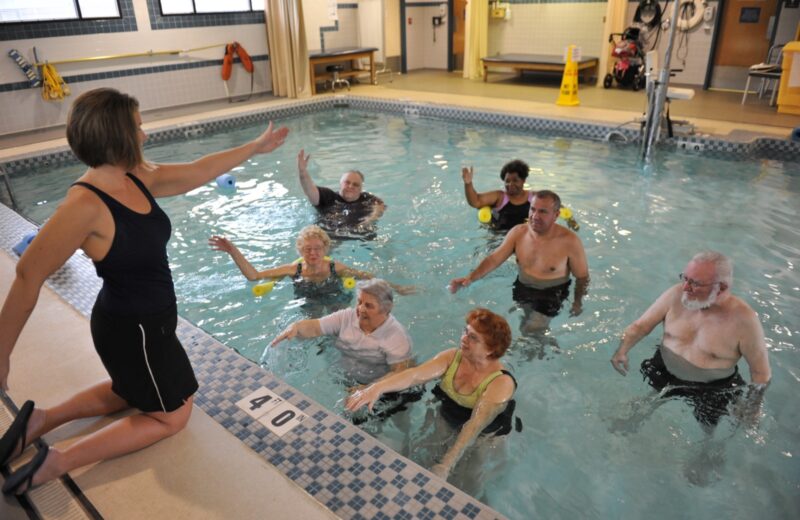
Image — early range and gait retraining post-TKR
Why it happens
The root causes we look for.
01
Early stiffness
Range lost in the first weeks after surgery is difficult to recover later.
02
Quad inhibition
The thigh muscle shuts down after surgery and must be deliberately switched back on.
03
Swelling
Persistent swelling limits movement and slows the return of strength.
04
Walking compensations
Months of pre-surgery limping leave habits that need actively unlearning.
Symptoms we treat
Recognise any of these?
Recent TKR surgery
Severe stiffness post-op
Difficulty bending the knee
Weakness on standing from a chair
Swelling around the joint
Difficulty walking distances
Our Approach
How we'll actually treat it.
WEEK 1–4
1
Range first
Restore knee extension and flexion. Pain and swelling management.
WEEK 4–10
2
Walking & basic strength
Independent walking, stair climbing, glute and quad strengthening.
WEEK 10–18
3
Functional load
Squats, step-ups, balance training, return to daily activities.
Post-knee-replacement rehab is one of the most predictable journeys we run — methodical, milestone-driven, and with outstanding outcomes when the early range work is done well.
96%
Recovery & satisfaction rate
96%
Reach discharge goals
12–24 weeks
Typical programme
60 min
Per session
Common questions
Your questions, answered.
Still unsure? Our clinicians answer the questions patients ask most. You can always call the HSR Layout clinic for a straight answer first.
Very soon — the first weeks are the most important window for regaining range. Early, guided movement (within your surgeon's plan) strongly influences your final result, so we begin promptly.
Most patients regain enough range for stairs, sitting and daily life, and many get close to full. The amount you achieve is closely tied to how consistently you work on range in those crucial early weeks.
Yes — swelling and warmth are normal for a surprisingly long time after a knee replacement. We help you manage it, because controlling swelling directly helps your range and strength return faster.
Walking improves steadily over the first weeks, and most patients are walking comfortably and confidently within the programme. Smoothing out the old limp takes deliberate gait retraining, which we build in.
Typically 12–24 weeks to reach your strength and function goals, though you will feel major gains well before that. We map the milestones so you always know where you should be.
Most patients use a walker or crutches for the first one to three weeks, then progress to a cane, and eventually walk unaided as strength and confidence return. We guide that progression rather than fixing it to a set timeline.
Many patients eventually can, though it varies by individual and implant — some find it uncomfortable indefinitely even with a fully successful replacement. We will be honest with you about what's realistic for your specific case.
Typically around four to six weeks, once you have enough bend, strength and reaction time to brake safely and your surgeon has cleared you. We help build the strength that gets you there.