S
Sevens Physiotherapy
Physiotherapy · Movement · Rehab
Home/Conditions/Sports Injuries
Sports · Treatment

Sports Injuries

Anything that hurts on the pitch, the court, or the road. We work with amateur and elite-level athletes across cricket, football, running, racket sports and combat sports.

Typical programme
4–16 weeks
Session length
60 min
Recovery rate
93%
Understanding the condition

Sports injuries in Bengaluru — fast, accurate rehab that gets you back to your sport properly.

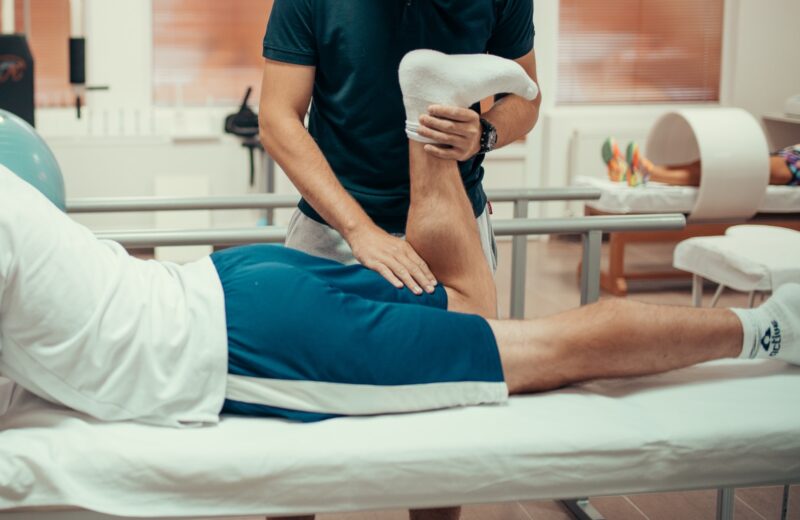
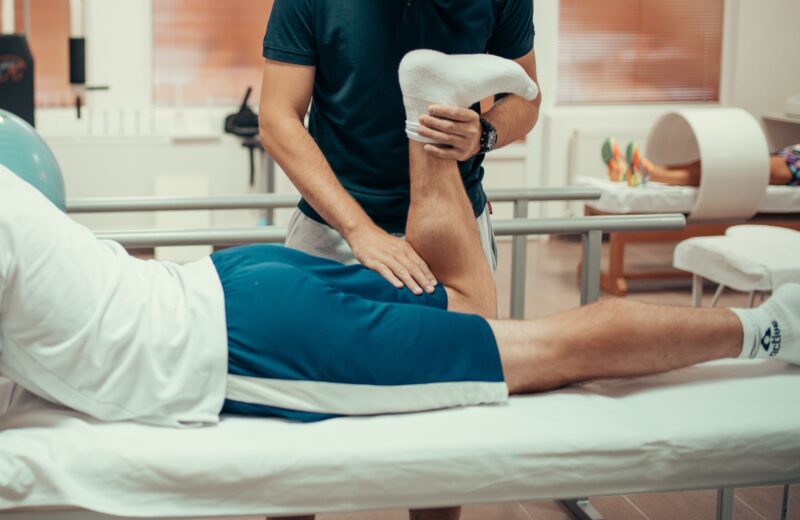
Whatever hurts on the pitch, the court or the road, we have likely treated it. We work with amateur and elite athletes across cricket, football, running, racket and combat sports. The athlete’s question is never just ‘will it heal’ — it is ‘how do I come back without it happening again.’

We diagnose precisely, settle the injury, and then build a return-to-sport plan that loads you back to full demand in stages. Because we understand the specific physical demands of your sport, we can test you against them before clearing you — so you return confident, not hopeful.

Sports Injuries
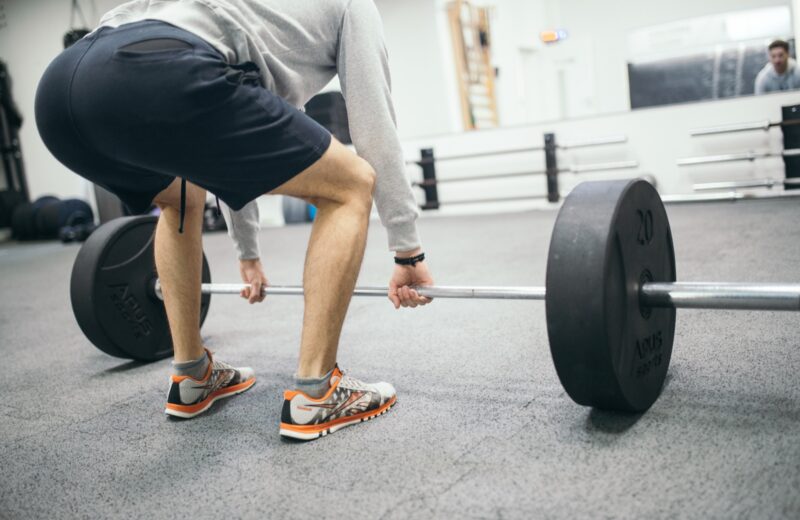
Image — sport-specific return-to-play testing
Why it happens

The root causes we look for.

01
Muscle strain (Grade I–III)
Overstretching or sudden eccentric overload tears muscle fibres — hamstrings in sprinters, calf in batsmen, quadriceps in footballers. Severity determines return timeline and loading strategy.
02
Tendinopathy from overuse
Cumulative load without adequate recovery exceeds tendon adaptation capacity, producing a degenerative response. Common in Achilles, patellar and rotator cuff tendons.
03
Joint sprains from contact or fall
Ligament stretch or tear at the ankle, knee or shoulder from tackles, collisions or falls. Grade and stability determine whether conservative or surgical management is appropriate.
04
Stress reactions from training spikes
Bone and tendon stress reactions occur when training load increases faster than tissue adaptation — a load management failure rather than a structural weakness.
05
Delayed recovery from inadequate rehabilitation
A prior injury managed with rest alone creates residual strength, proprioceptive, and movement pattern deficits that predispose to re-injury.
Symptoms we treat

Recognise any of these?

Pain that started during sport
Recurring injury in the same spot
Drop in performance with no clear cause
Pain on specific sport-movements
Tightness in muscle groups
Avoiding certain movements unconsciously
Our Approach

How we'll actually treat it.

WEEK 1
1
Diagnose & calm
Sport-specific assessment. Identify the tissue, the load, and the pattern.
WEEK 2–5
2
Tissue capacity
Targeted loading to restore tissue tolerance. Manual therapy as needed.
WEEK 5–10
3
Sport-specific
Movement patterns specific to your sport. Strength in sport-relevant ranges.
WEEK 10+
4
Return to play
Graded return with measurable criteria. Address why it happened, prevent recurrence.
Services Involved

The disciplines we'll combine.

Every programme braids two or three of our core services. Here's the typical pairing for this condition.

The results

Treatment that actually holds.

93% of our sports injury patients return to their pre-injury sport and level of play. The variable is not the severity of the injury — it is whether the athlete completes all three phases of rehabilitation rather than stopping when the pain settles.

93%
Recovery & satisfaction rate
93%
Return to full competition
4–16 weeks
Typical programme
60 min
Per session
Common questions

Your questions, answered.

Still unsure? Our clinicians answer the questions patients ask most. You can always call the HSR Layout clinic for a straight answer first.

Ask us directly

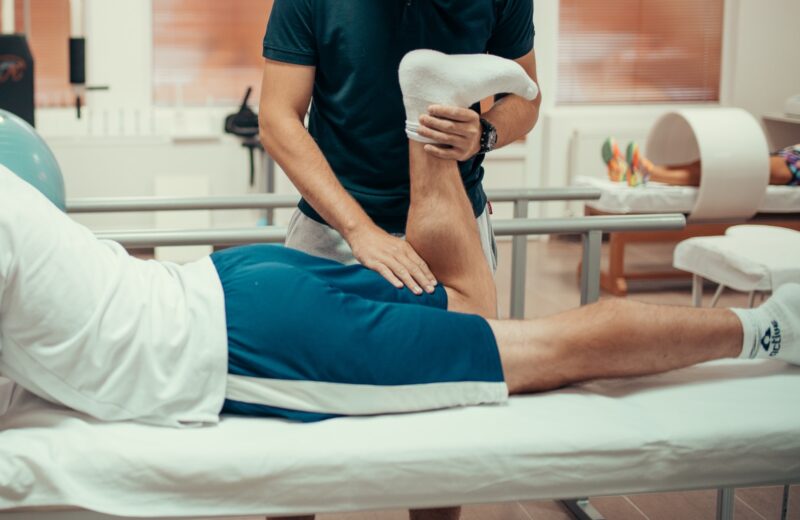
It depends on the tissue, the grade, and the demands of your sport. A Grade I hamstring strain in a batsman might allow a modified return in two to three weeks. A Grade II in a quick bowler might take four to six. What matters is not the time elapsed but whether you pass the functional strength and sprint mechanics tests specific to your event.
It depends on what's causing the pain and what the loading is doing to that tissue. Some conditions are managed while maintaining partial activity — load modification rather than complete rest. Others require a period of reduced load to allow healing. We draw that distinction clearly, so you're not playing through something that's accumulating damage.
Yes. We document objective assessments at each rehabilitation stage and can provide written clearance based on functional test results. We'll specify what has been cleared and any recommended load management for the initial return-to-play period.
Recurrent injuries almost always indicate incompletely resolved rehabilitation — usually a strength or neuromuscular deficit that was present but not addressed before return. A comprehensive assessment at the start of your off-season, when there's time to actually fix it, is the most effective intervention.
Ready to start?

Let's get this handled.

Book a 60-minute assessment with one of our clinicians. You'll leave with a clear diagnosis, a written programme, and a realistic timeline.

Book assessment
What's included:
  • → Full movement assessment
  • → Diagnosis & root-cause analysis
  • → Written programme with milestones
  • → Cost & timeline upfront
  • → Same-day hands-on treatment if appropriate