S
Sevens+ Physiotherapy
Physiotherapy · Movement · Rehab
Home/Conditions/Ankle Pain
Lower Body · Treatment

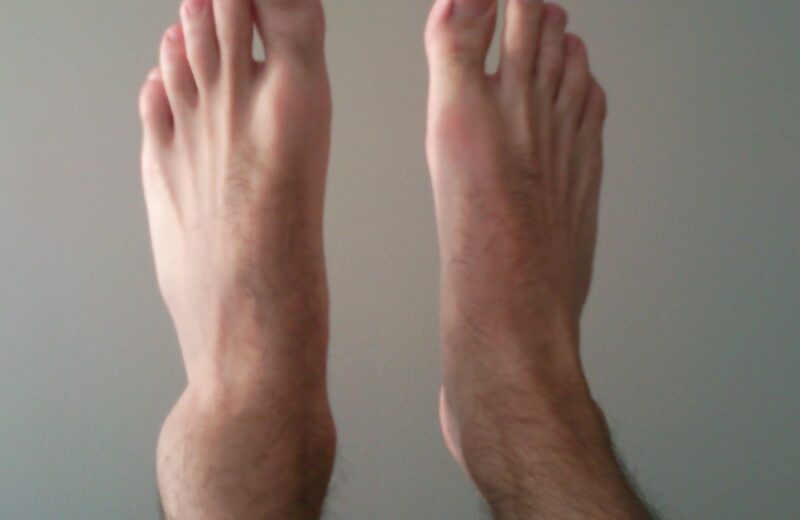
Ankle Pain

Acute and recurrent ankle sprains, post-fracture stiffness, chronic instability — we get patients out of the boot and back to running with structured loading plans.

Typical programme
6–10 weeks
Session length
45 min
Recovery rate
94%
Understanding the condition

Get out of the boot, then get back to running.

Ankle sprains are the most under-treated injury in sport. People assume they heal on their own — and the pain does fade — but the strength, balance and confidence rarely come back without rehab, which is why so many ankles sprain again and again.

Whether it is an acute sprain, a stubborn post-fracture stiffness, or chronic instability, we restore range first, then rebuild strength and proprioception through structured loading. The end point is not a pain-free ankle on the couch — it is one you can sprint, cut and land on without a second thought.

Ankle Pain
Image — single-leg balance and loading work
Why it happens

The root causes we look for.

01
Incomplete sprain recovery
The pain settles but strength and balance are never rebuilt, leaving the ankle vulnerable.
02
Poor proprioception
The ankle loses its sense of position, so it rolls again on uneven ground.
03
Post-fracture stiffness
Time in a cast or boot leaves the joint stiff and the calf wasted.
04
Weak calf & foot
Insufficient strength through the calf and foot fails to control landing forces.
Symptoms we treat

Recognise any of these?

Recurring ankle rolls on uneven ground
Stiffness on first steps in the morning
Swelling that returns after activity
Inability to balance on one leg
Pain on jumping or landing
Feeling unstable on stairs
Our Approach

How we'll actually treat it.

WEEK 1
1
Calm & assess
Reduce swelling, restore basic range, screen for instability patterns.
WEEK 2–4
2
Restore motion
Joint mobilisations, calf stretching, proprioception drills.
WEEK 4–7
3
Strengthen
Calf, peroneal, and intrinsic foot strengthening. Single-leg balance.
WEEK 7–10
4
Return to sport
Plyometric loading, cutting drills, return-to-run protocol.
Services Involved

The disciplines we'll combine.

Every programme braids two or three of our core services. Here's the typical pairing for this condition.

The results

Treatment that actually holds.

Ankles are some of the most rewarding joints to rehab — with structured loading and balance work, nearly all our patients get back to full activity and, just as importantly, stop re-spraining.

94%
Recovery & satisfaction rate
94%
Return to full activity
6–10 weeks
Typical programme
45 min
Per session
Common questions

Your questions, answered.

Still unsure? Our clinicians answer the questions patients ask most. You can always call the HSR Layout clinic for a straight answer first.

Ask us directly
Yes, and this is the most important thing to understand about ankle sprains. The pain fading does not mean the ankle has recovered its strength, balance and stability. Skipping rehab is the single biggest reason ankles keep re-spraining for years.
Recurrent giving-way is chronic instability — usually from proprioception and strength that were never rebuilt after a previous sprain. It responds very well to a targeted balance and loading programme, even years later.
It varies with the fracture, but once you are cleared to load we focus on restoring range, calf strength and confidence. Most patients progress from the boot back to running over a structured 6–10 week programme.
Most sprains do not. We use simple clinical rules to decide whether a fracture is likely. If your assessment suggests bony injury, we will arrange or recommend imaging — otherwise we get straight into rehab.
A brace can be useful early or during return to sport, but it is a bridge, not a cure. The real protection is a strong, well-balanced ankle, which is what our programme builds so you are not reliant on tape.
Often sooner than people expect, with protected weight-bearing as pain allows — total non-weight-bearing is used far less than it used to be. We will guide exactly how much to load it based on your specific sprain.
A brace can get you through a specific event safely, but relying on one long-term without rebuilding strength and balance underneath it just delays the same instability. We use bracing as a short-term bridge, never as the actual fix.
That's a classic sign of reduced proprioception — the ankle's sense of its own position — which doesn't resolve on its own. Targeted balance training on uneven and unstable surfaces is specifically how we retrain it, and it usually responds well even months or years later.
Ready to start?

Let's get this handled.

Book a 60-minute assessment with one of our clinicians. You'll leave with a clear diagnosis, a written programme, and a realistic timeline.

Book assessment
What's included:
  • → Full movement assessment
  • → Diagnosis & root-cause analysis
  • → Written programme with milestones
  • → Cost & timeline upfront
  • → Same-day hands-on treatment if appropriate