S
Sevens+ Physiotherapy
Physiotherapy · Movement · Rehab
Home/Services/Postural Correction
Core Service

Postural Correction

Modern desk-and-screen life creates predictable imbalances — forward head, rounded shoulders, weak glutes. We map yours and rebuild the default position your body holds when you are not thinking about it.

Best paired with
Pilates
Session
45–60 min
Programme
6–12 weeks
What it is

Your posture is a habit — and habits can change.

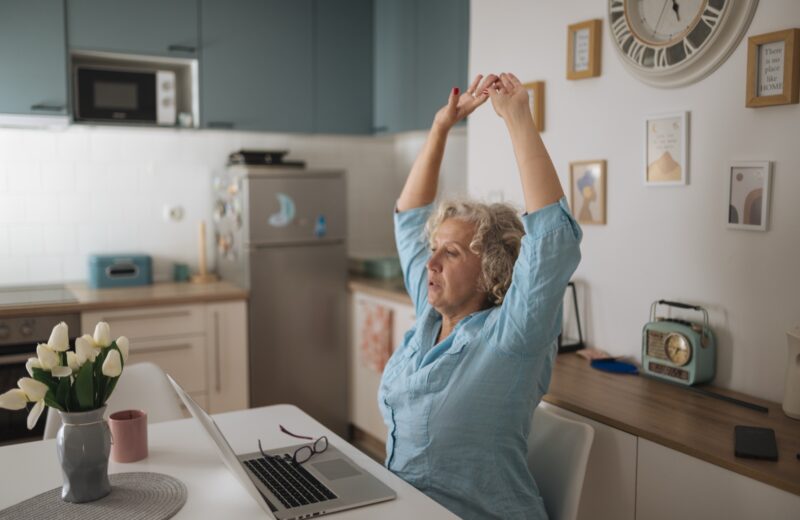
Hours at a desk train your body into a posture: head forward, shoulders rounded, hips tight, glutes switched off. That posture quietly loads your neck and back every single day, which is why pain keeps returning no matter how many times it is treated.

Postural correction maps your specific imbalances with detailed movement screens, then rebuilds the strength and awareness to hold a better default — not by forcing you to sit up straight, but by making the good position the one your body naturally settles into.

Postural Correction
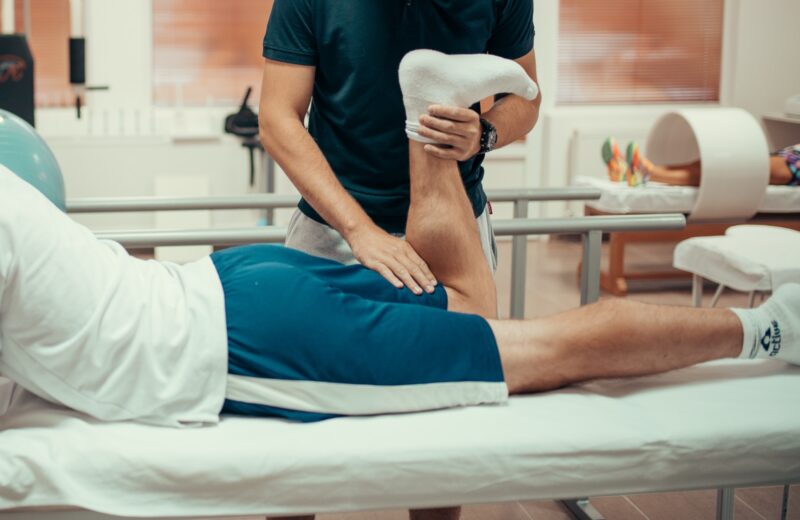
Image — postural screen and movement analysis
What's included

What this service actually involves.

01
Postural screening
Detailed movement and posture analysis to map your specific imbalances.
02
Targeted strengthening
Waking up the muscles that have switched off — deep neck, mid-back and glutes.
03
Mobility work
Releasing the chronically tight areas pulling you out of alignment.
04
Habit retraining
Practical cues and routines so a better position becomes automatic.
How it works

Your journey, step by step.

STEP 1
1
Map
A full postural and movement screen to find your specific pattern.
STEP 2
2
Release
Mobility and soft-tissue work to free the tight, restricted areas.
STEP 3
3
Activate
Strengthen the deep stabilisers that have stopped doing their job.
STEP 4
4
Integrate
Build the new posture into daily life so it holds without effort.
Why it works

Care that holds up.

Posture-driven pain responds remarkably well once you treat the cause instead of the symptom — our patients find the neck and back pain that kept returning finally stays away.

6–12wk
Typical programme
97%
Report lasting relief
Pilates
Best paired with
45–60m
Per session
Common questions

Your questions, answered.

Want to know if this service is right for you? Call the HSR Layout clinic or book an assessment — we'll give you a straight answer.

Ask us directly

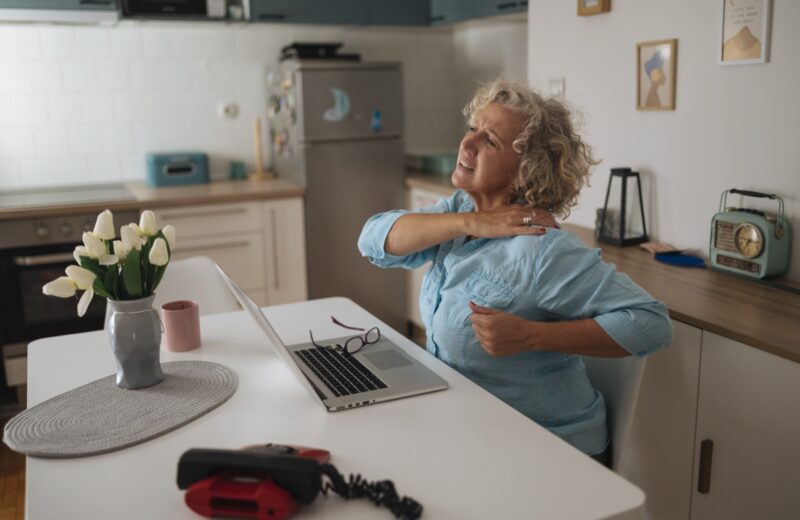
Very often, yes. Sustained desk posture loads the neck and lower back for hours a day, and that is a common driver of recurring pain. Correcting it addresses the cause, not just the symptom.
Not at all. Posture is largely a matter of strength, mobility and habit — all of which can change at any age with the right programme. Most people see meaningful change within weeks.
Forcing an upright position is exhausting and never lasts. We rebuild the strength and mobility so a better posture becomes your natural default, rather than something you constantly have to think about.
Most patients notice reduced pain and easier movement within a few weeks, with a full programme running 6–12 weeks to make the changes stick.
A short, practical daily routine makes a big difference and speeds up results — but we keep it realistic and time-efficient, never a second job.
Yes — this is one of the most common patterns we treat, with weak deep neck flexors and mid-back muscles paired against tight chest and upper-trap muscles. Releasing the tight side and strengthening the weak side together is exactly how we address it.
Postural correction is more specifically focused on alignment, habitual position and the muscle imbalances behind it, often used alongside general physiotherapy rather than instead of it. Many programmes combine both.
Often, yes, particularly headaches that start at the base of the skull or come on through a long workday — these frequently have a postural driver that responds well to correcting the underlying pattern.
Ready to start?

Let's build your plan.

Book a 60-minute assessment. You'll leave with a clear diagnosis, a written programme, and an honest timeline — no upselling, no padding.

Book assessment
What's included:
  • → Full movement assessment
  • → Diagnosis & root-cause analysis
  • → Written programme with milestones
  • → Cost & timeline upfront
  • → Same-day hands-on treatment if appropriate