S
Sevens+ Physiotherapy
Physiotherapy · Movement · Rehab
Home/Conditions/Back Pain
Spine · Treatment

Back Pain

Lower back pain is the most common reason patients walk through our door. Whether it's mechanical, disc-related, or sciatic — we work movement-first, with McKenzie and DNS protocols at the core.

Typical programme
6–12 weeks
Session length
60 min
Recovery rate
91%
Understanding the condition

Back pain is common, frightening, and highly treatable.

Lower back pain is the single most common reason patients come to us. The good news rarely makes the headlines: the vast majority of back pain is not dangerous and recovers well with the right movement. Scans often show changes that are normal for your age and have nothing to do with your pain.

We work movement-first, using McKenzie and DNS protocols to find the directions that calm your back down, then progressively load it so it becomes robust. We also screen for the small number of cases — true sciatica, red flags — that need a different path, so you can stop worrying and start moving.

Back Pain
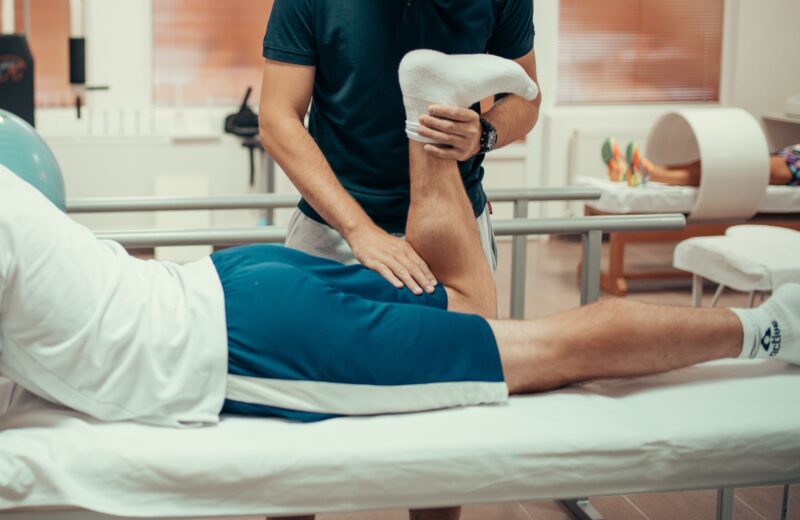
Image — spinal assessment and loading drill
Why it happens

The root causes we look for.

01
Mechanical overload
Lifting, sitting and sudden movements strain the joints, discs and muscles of the lower back.
02
Deconditioning
A core and back that have lost strength fatigue early and let small loads become painful.
03
Disc & sciatica
A disc can irritate a nerve root, referring pain, numbness or weakness into the leg.
04
Fear & guarding
Pain makes you brace and avoid movement, which stiffens the back and prolongs the problem.
Symptoms we treat

Recognise any of these?

Stiffness on standing from a chair
Pain radiating into the leg (sciatica)
Difficulty bending forward or lifting
Pain that worsens with prolonged sitting
Morning stiffness lasting > 30 min
Numbness or tingling in the leg
Our Approach

How we'll actually treat it.

WEEK 1
1
Categorise the pain
McKenzie assessment to classify the pain pattern. Same-day relief if appropriate.
WEEK 2–4
2
Manual & movement
Mobilisation, directional preference exercises, and targeted manual therapy.
WEEK 4–8
3
Core retraining
Deep core activation, glute strengthening, and clinical pilates for spinal control.
WEEK 8–12
4
Real-world load
Lifting mechanics, ergonomic setup, return to gym/sport without compensations.
The results

Treatment that actually holds.

Back pain can feel relentless, but with a movement-first programme most patients are out of the acute phase quickly and back to normal life — and they leave knowing how to handle a flare-up themselves.

91%
Recovery & satisfaction rate
91%
Return to normal activity
6–12 weeks
Typical programme
60 min
Per session
Common questions

Your questions, answered.

Still unsure? Our clinicians answer the questions patients ask most. You can always call the HSR Layout clinic for a straight answer first.

Ask us directly


Usually not at first. Most back pain does not need a scan, and scans often show age-related changes that are not the source of pain and can cause unnecessary worry. We will tell you clearly if your case is one of the few that genuinely warrants imaging.
Yes — for the great majority of back pain, gentle movement is the treatment, not the risk. Prolonged rest tends to make it worse. We will show you exactly which movements settle your back and which to ease off temporarily.
Sciatica refers pain, tingling or numbness down the leg, often past the knee, rather than staying in the back. We assess the nerve directly at your visit and adjust your programme accordingly — most sciatica still recovers without surgery.
Many patients feel meaningfully better within two to three weeks, though a full programme runs 6–12 weeks to build lasting resilience. Acute episodes often settle faster than people expect once the right movements are found.
Recurrence usually comes from deconditioning and habits, not bad luck. We finish every programme by building your strength and correcting the sitting, lifting and loading patterns that triggered it, so you are not back here in six months.
Short drives are usually fine if you can get in and out comfortably; longer drives are where trouble starts, since sitting is one of the most provocative positions for many types of back pain. A rolled towel for lumbar support and regular stops on longer journeys both help — we'll check your specific pattern before giving more tailored advice.
Rarely completely. We usually modify rather than remove — swapping a movement that flares you up for one that doesn't, while keeping the rest of your training going. Total time off the gym tends to decondition the back further, which is the opposite of what you need.
Both can offer hands-on relief, but our approach centres on an active, movement-based diagnosis (McKenzie and DNS protocols) and a progressive strengthening programme, not repeat manipulation sessions. We aim to build a back that doesn't need ongoing adjustment to function well.
Ready to start?

Let's get this handled.

Book a 60-minute assessment with one of our clinicians. You'll leave with a clear diagnosis, a written programme, and a realistic timeline.

Book assessment
What's included:
  • → Full movement assessment
  • → Diagnosis & root-cause analysis
  • → Written programme with milestones
  • → Cost & timeline upfront
  • → Same-day hands-on treatment if appropriate