S
Sevens Physiotherapy
Physiotherapy · Movement · Rehab
Home/Conditions/Geriatric Physiotherapy
Rehab · Treatment

Geriatric Physiotherapy

Balance, mobility, and fall-prevention programmes for older adults. Patient-paced, designed around your life, and often best delivered in small group settings.

Typical programme
12+ weeks (ongoing)
Session length
45 min
Recovery rate
90%
Understanding the condition

Physiotherapy for older adults in Bengaluru — staying strong, steady and independent.

Staying mobile, steady and independent is one of the most important things physiotherapy can protect in later life. Falls are not an inevitable part of ageing — they are largely preventable with the right strength and balance work. And it is never too late to start: older adults gain strength remarkably well.

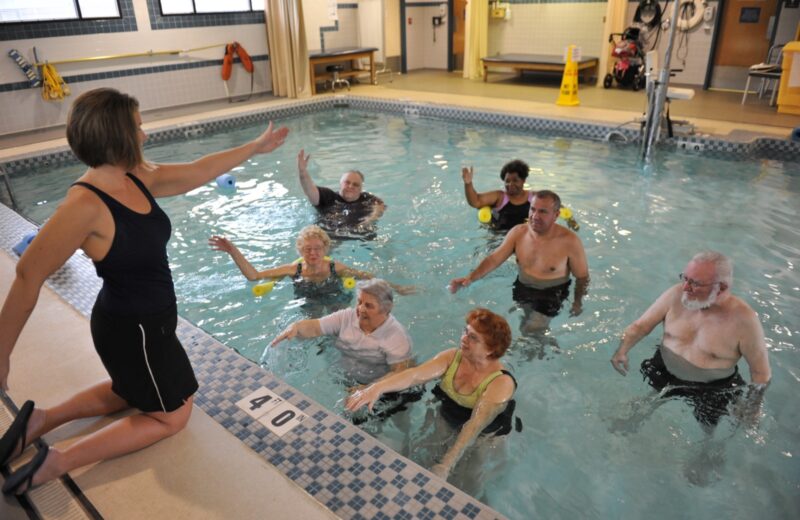
Our geriatric programmes are patient-paced and built around your life — the stairs you climb, the walk you want to keep taking, the grandchildren you want to lift. We focus on balance, leg strength and confidence, often in small, sociable group settings that make the work something to look forward to.

Geriatric Physiotherapy
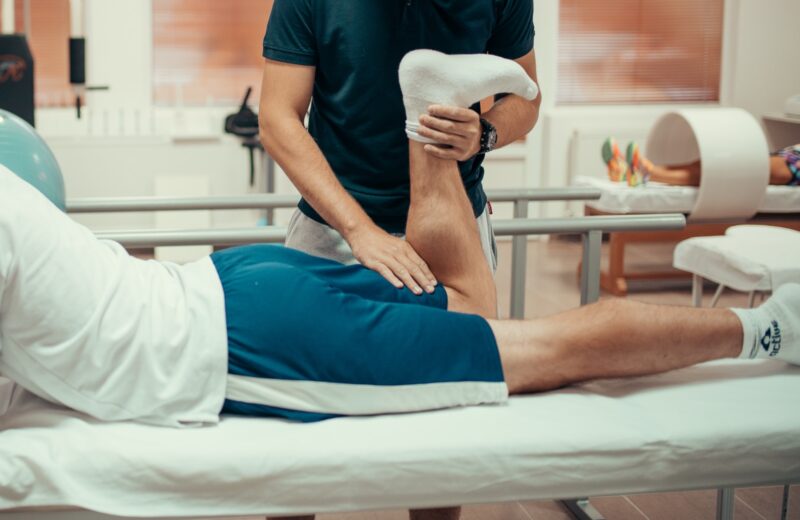
Image — balance and strength work for older adults
Why it happens

The root causes we look for.

01
Age-related muscle loss (sarcopenia)
From the fifth decade onwards, muscle mass and strength decline approximately 1–2% per year without specific resistance training. This directly reduces balance, walking speed and functional capacity.
02
Reduced proprioception
The mechanoreceptors that tell the brain where the feet and ankles are in space become less reliable with age, slowing protective reactions when balance is challenged.
03
Visual and vestibular decline
Reduced visual acuity and changes in vestibular (inner ear) function impair the three systems that together maintain balance, increasing fall risk substantially.
04
Polypharmacy and medication side effects
Common medications — antihypertensives, sedatives, diuretics — can cause orthostatic hypotension or dizziness that directly precipitates falls. We flag this for the prescribing physician when identified.
05
Post-illness deconditioning
Any significant illness, hospitalisation or surgery produces rapid deconditioning in older adults that requires structured rehabilitation rather than passive recovery.
Symptoms we treat

Recognise any of these?

Feeling unsteady on the feet
Difficulty rising from a chair
Avoiding stairs or uneven ground
One or more recent falls
Loss of muscle strength
Stiffness on getting going
Our Approach

How we'll actually treat it.

WEEK 1
1
Comprehensive screen
Balance, strength, mobility, and fall-risk assessment. Goals set with the patient and family.
ONGOING
2
Strength foundation
Sit-to-stand, leg strength, posture work. The most important interventions for ageing well.
ONGOING
3
Balance training
Progressive balance challenges, single-leg work, perturbation training.
ONGOING
4
Maintain & monitor
Quarterly re-assessment to keep the gains. Adapt as life changes.
The results

Treatment that actually holds.

90% of our geriatric physiotherapy patients achieve meaningful improvement in their stated goals — whether that is reducing fall frequency, returning to independent ambulation, or rebuilding the confidence to leave the house unaided.

90%
Recovery & satisfaction rate
Ongoing
Built around your life & goals
12+ weeks (ongoing)
Typical programme
45 min
Per session
Common questions

Your questions, answered.

Still unsure? Our clinicians answer the questions patients ask most. You can always call the HSR Layout clinic for a straight answer first.

Ask us directly


Yes, with appropriate assessment and intensity management. We work closely with cardiologists when there is cardiac comorbidity — starting at low intensity and progressing based on objective response. Being inactive is significantly more dangerous for most cardiac patients than appropriate supervised exercise.
Both. Fall prevention programmes — targeting the specific strength, balance and reaction-time deficits that predict falls — have strong evidence for reducing fall rates in community-dwelling older adults. We assess fall risk systematically and build a specific prevention programme for patients who have not yet had a serious fall.
It depends on what is limiting him — strength, balance, confidence, or the original reason the frame was prescribed. For many patients, a structured programme of progressive strengthening and balance training reduces dependence on walking aids or removes it. We assess the realistic goal at your first session.
We offer both. Small groups (two to four) are sometimes preferred by older adults for the social element and are effective for balance and functional training. One-on-one is better for post-surgical rehabilitation, complex presentations, or patients who need highly individualised supervision.
Ready to start?

Let's get this handled.

Book a 60-minute assessment with one of our clinicians. You'll leave with a clear diagnosis, a written programme, and a realistic timeline.

Book assessment
What's included:
  • → Full movement assessment
  • → Diagnosis & root-cause analysis
  • → Written programme with milestones
  • → Cost & timeline upfront
  • → Same-day hands-on treatment if appropriate