Post-Total Hip Replacement programmes that respect hip precautions in the early phases and rebuild glute strength systematically through the later phases.
A total hip replacement can be life-changing — trading years of pain for a mobile, reliable joint. The early phase calls for care: respecting hip precautions protects the new joint while the tissues heal around it. The later phase calls for strength.
Our post-THR programme balances both. We protect the joint and keep you moving safely in the early weeks, then systematically rebuild the glute strength that the arthritic hip had quietly lost for years. The goal is a hip you can walk, climb and live on without a second thought.
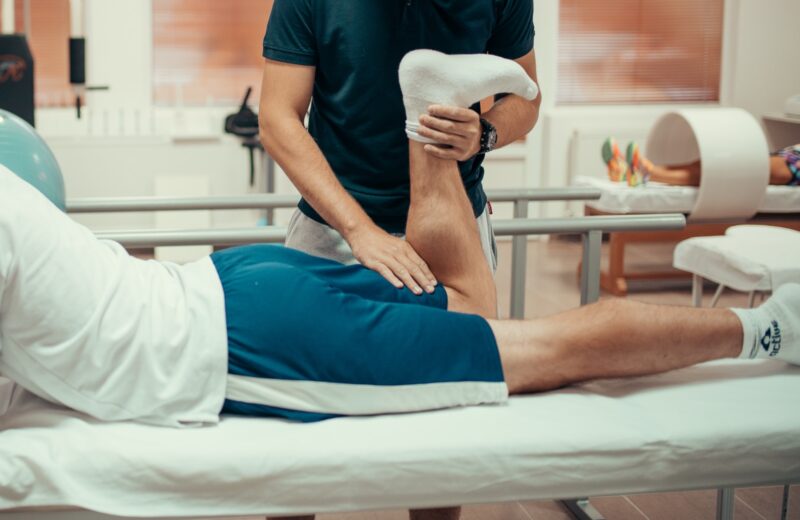
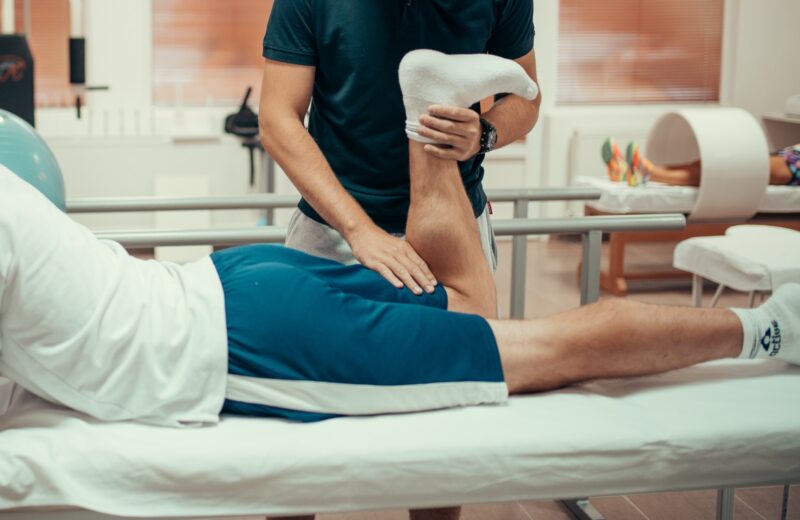
Image — glute strengthening after hip replacement
Why it happens
The root causes we look for.
01
Years of glute weakness
An arthritic hip wastes the surrounding muscle long before surgery.
02
Early precautions
The new joint needs protecting from certain positions while tissues heal.
03
Altered gait
A long pre-surgery limp leaves walking patterns that must be retrained.
04
Balance loss
Reduced movement before surgery erodes balance and confidence on the leg.
Symptoms we treat
Recognise any of these?
Recent THR surgery
Weakness around the hip
Limp on walking
Difficulty with hip precautions
Reduced range on the operated side
Compensations through the lower back
Our Approach
How we'll actually treat it.
WEEK 1–4
1
Precautions phase
Safe motion within precautions, swelling control, gait basics.
With a programme that respects the early precautions and then drives glute strength hard, our hip-replacement patients return to confident, pain-free movement with excellent reliability.
95%
Recovery & satisfaction rate
95%
Return to confident walking
12–20 weeks
Typical programme
60 min
Per session
Common questions
Your questions, answered.
Still unsure? Our clinicians answer the questions patients ask most. You can always call the HSR Layout clinic for a straight answer first.
They are positions to avoid early on — typically certain deep bends and rotations — that protect the new joint while it stabilises. How long they apply depends on your surgical approach; we follow your surgeon's specific guidance.
Often they were weak well before surgery — an arthritic hip quietly wastes the surrounding muscle over years. The surgery fixes the joint, but rebuilding that lost glute strength is the job of rehabilitation.
Most patients progress off walking aids within the first weeks as strength and confidence return. We guide that transition rather than rushing it, so your gait is genuinely stable, not just unaided.
Stairs come back early with technique and strength work. Driving depends on the side operated on and your surgeon's clearance — we will help you build the control needed to return safely.
Typically 12–20 weeks to rebuild full strength and function, with steady gains throughout. We give you a clear phase-by-phase plan from your first session.
Usually yes once your surgeon clears it, often with a pillow between the knees for support and comfort. Timing varies by surgical approach, so we will confirm what applies to you specifically.
Many patients notice a real improvement, but a limp that built up over years of compensating doesn't always disappear automatically — it often needs deliberate gait retraining, which is a core part of our rehab.
Most low-impact activities, including golf and gardening, are realistic goals once strength and confidence are rebuilt — usually within the later phases of the programme. We will help you work toward the specific activities that matter to you.