S
Sevens+ Physiotherapy
Physiotherapy · Movement · Rehab
Home/Conditions/Dry Needling
Modality · Treatment

Dry Needling

Trigger-point dry needling to deactivate hypertonic muscle bands. Quick, precise, and often delivers same-session relief — particularly powerful for chronic neck, shoulder and back pain.

Typical programme
2–6 sessions
Session length
15–20 min add-on
Recovery rate
Understanding the condition

Switch off the trigger point, fast.

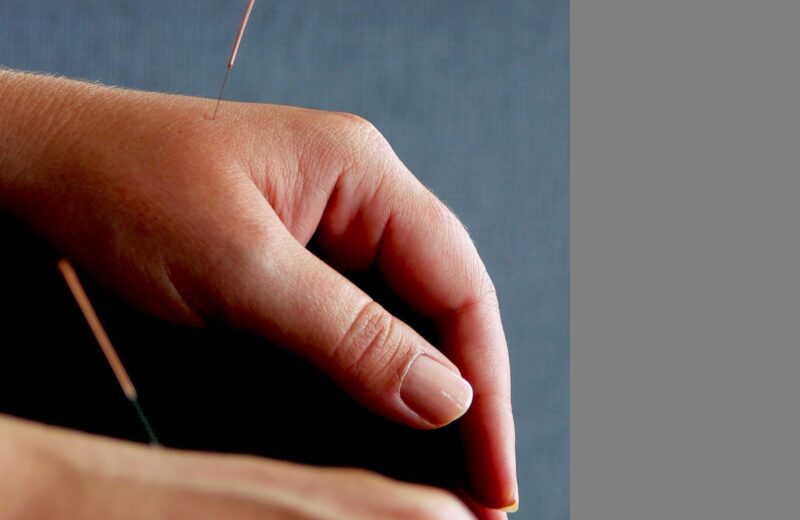
Dry needling targets myofascial trigger points — the taut, hyper-irritable bands in a muscle that refer pain and refuse to release. A fine needle into the band provokes a brief twitch and the muscle lets go. It is quick, precise, and often delivers relief within the same session, particularly for chronic neck, shoulder and back pain.

We use dry needling as part of a plan, not a magic bullet. It creates a window of reduced pain and tension that we then use to do the active work — the mobility and strengthening that keep the relief from being temporary. Evidence-based, well-tolerated, and genuinely effective for the right problem.

Dry Needling
Image — precise dry-needling of a trigger point
Why it happens

The root causes we look for.

01
Trigger points
Taut, irritable bands in a muscle refer pain and limit movement.
02
Chronic tension
Long-held muscle tightness becomes self-sustaining and resists stretching.
03
Overload & strain
Repetitive or sustained load builds knots that hands-on work cannot fully release.
04
Protective guarding
Muscles around an injury tighten defensively and stay locked even after healing.
Symptoms we treat

Recognise any of these?

Trigger points (active or latent)
Chronic muscle tension
Referred pain from a specific spot
Tension headaches
Restricted range from muscle tightness
Pain that hasn't responded to manual therapy
Our Approach

How we'll actually treat it.

STEP 1
1
Locate the point
Specific palpation to find the active trigger point. Confirm with patient feedback.
STEP 2
2
Insertion
Sterile single-use needle inserted directly into the trigger point. Twitch response confirms target.
STEP 3
3
Manipulation
Brief manipulation of the needle to deactivate the band. Often dramatic immediate relief.
STEP 4
4
Active movement
Immediate active range and loading work to consolidate the change.
Services Involved

The disciplines we'll combine.

Every programme braids two or three of our core services. Here's the typical pairing for this condition.

The results

Treatment that actually holds.

Dry needling is one of the fastest ways we have to take the edge off stubborn muscular pain — many patients feel looser within minutes, opening the door to the active work that makes it last.

Same-day
Relief in many cases
2–6 sessions
Typical programme
15–20 min add-on
Per session
Common questions

Your questions, answered.

Still unsure? Our clinicians answer the questions patients ask most. You can always call the HSR Layout clinic for a straight answer first.

Ask us directly

No — they use similar needles but with different reasoning. Dry needling targets specific myofascial trigger points based on a physical assessment of your muscles, as part of a physiotherapy plan, rather than following traditional acupuncture meridians.
You may feel a brief twitch or a deep ache as the trigger point releases, but it is generally well tolerated and over quickly. Many patients feel noticeably looser within minutes afterwards.
In trained hands it is very safe. Our physiotherapists are qualified in the technique and use single-use sterile needles. We will explain everything and only proceed with your consent.
Often just two to six, used alongside your main programme. It is a tool to create a window of relief that we then build on with active treatment — not something you need indefinitely.
It is particularly effective for chronic neck, shoulder and back pain driven by trigger points, as well as conditions like plantar fasciitis. We will tell you honestly whether it is likely to help your specific problem.
Yes, and you're far from the first to feel that way. We start gently, explain each step, and you're always in control — many anxious patients end up finding it more comfortable than they expected.
It depends on your presentation, but we typically focus on the few most relevant points rather than needling broadly. Precision matters more than quantity for getting a good result.
Often, yes — they can complement each other well, for example needling to release a trigger point followed by mobilising the area. We sequence techniques based on what your tissue needs that day.
Ready to start?

Let's get this handled.

Book a 60-minute assessment with one of our clinicians. You'll leave with a clear diagnosis, a written programme, and a realistic timeline.

Book assessment
What's included:
  • → Full movement assessment
  • → Diagnosis & root-cause analysis
  • → Written programme with milestones
  • → Cost & timeline upfront
  • → Same-day hands-on treatment if appropriate