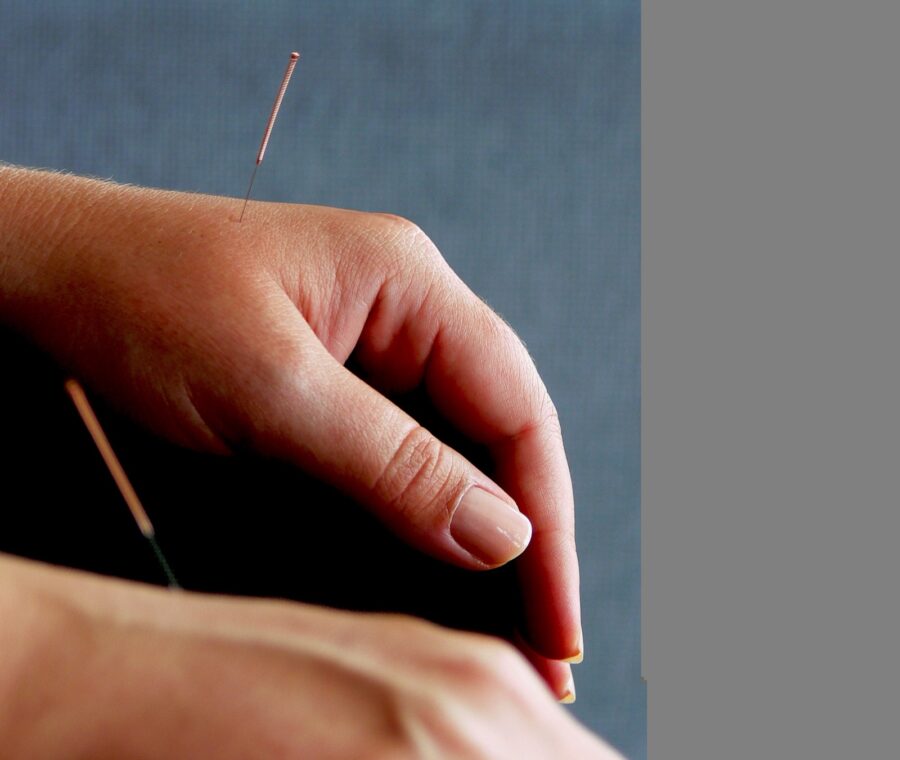
The needles look identical. The patient lies on a treatment table. The therapist locates a specific point, inserts the needle, and within minutes the patient feels a release of tension they’ve been carrying for days or weeks.
From the outside, dry needling and acupuncture look like the same thing done by two different people. If you’ve ever booked one without really knowing what you were getting, you’re not alone — it’s one of the most common questions we get asked before a first session: which one do I actually need for this?
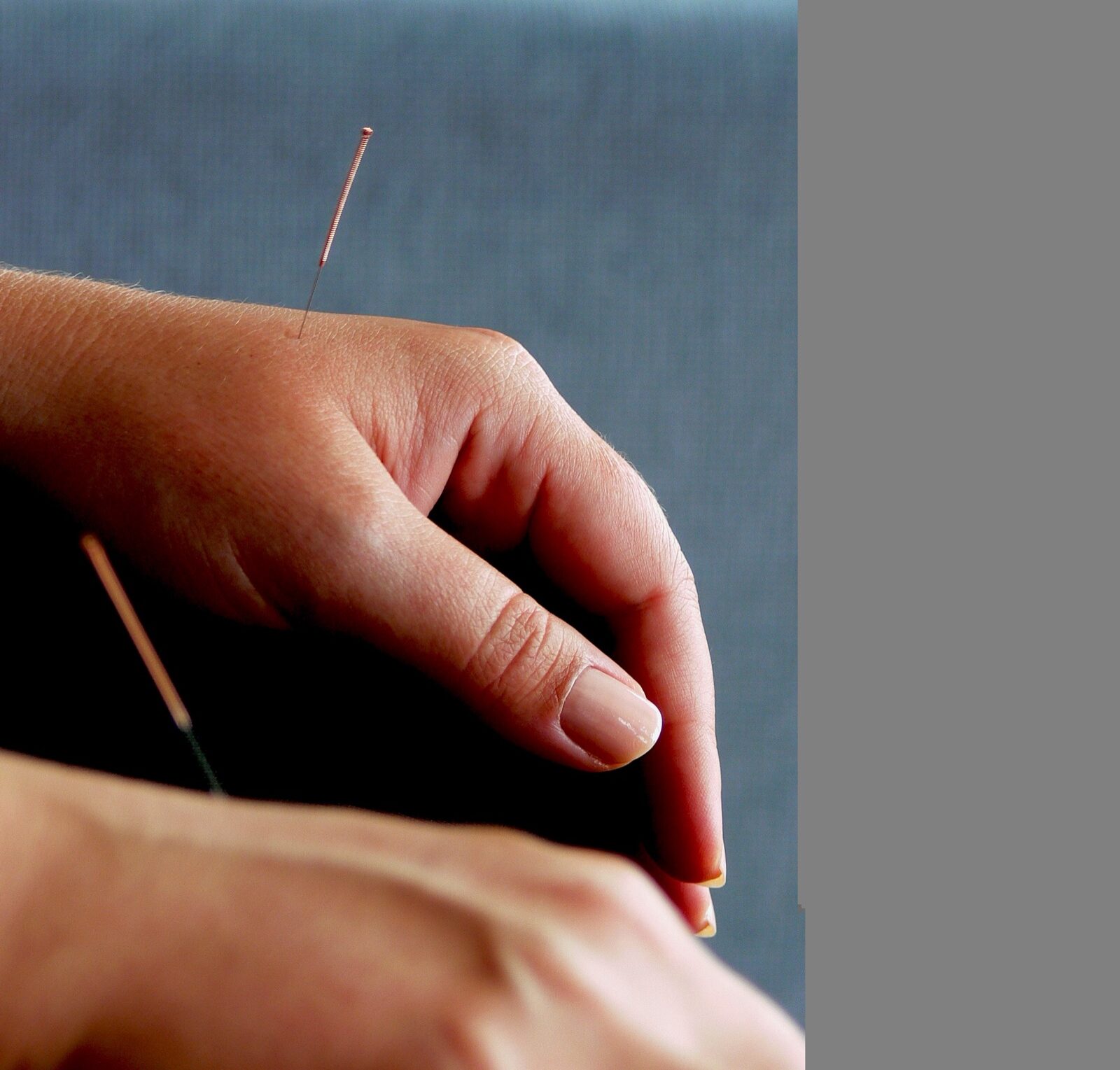
They look the same but rest on completely different frameworks. Acupuncture works within traditional Chinese medicine’s meridian system; dry needling is a Western, anatomy-based technique that targets myofascial trigger points directly. For muscle-driven pain — neck, back, shoulder tightness — dry needling paired with manual therapy and exercise is the more targeted choice.
The honest answer is that they’re different interventions with different theoretical bases, different evidence profiles, and different clinical applications. Both can genuinely help. Neither is a standalone fix for anything on its own. Knowing the difference means you can actually ask for the right thing, instead of just hoping whatever you’re offered works.
What Acupuncture Is and Where It Comes From
Acupuncture is a practice that originated in traditional Chinese medicine more than two thousand years ago. The original framework understands the body as having a network of energy pathways called meridians, and illness or pain as reflecting a disruption in the flow of qi, or life force, through these pathways. The needles are inserted at specific points along the meridians to restore balance and address both local and systemic conditions.
In the context of modern healthcare, acupuncture has been studied extensively, and the evidence is genuinely mixed. For certain conditions, particularly chronic lower back pain, neck pain, and headache, there’s reasonable evidence that acupuncture produces meaningful pain relief. The evidence is weaker for other conditions, and the mechanism by which it works remains contested.
Some researchers attribute the effects of acupuncture to specific neurophysiological mechanisms, including the stimulation of endorphin release and modulation of pain signalling pathways. Others argue that a significant portion of the effect is attributable to the therapeutic encounter — the ritual, the practitioner attention, and the expectation of improvement — rather than the specific needle placement. Realistically, it’s probably some of both, and that’s fine; a treatment doesn’t have to be fully understood to be worth having.
What Dry Needling Is and How It Differs
Dry needling is a modern, anatomy-based intervention that uses acupuncture needles to treat myofascial trigger points: hyperirritable spots within taut bands of skeletal muscle that are painful on compression and can refer pain to other areas of the body.
The term “dry” refers to the fact that no substance is injected, distinguishing the technique from injections using local anaesthetic or corticosteroids, sometimes called “wet needling.”
Dry needling is practised by physiotherapists and other clinicians with specific training in musculoskeletal anatomy. It doesn’t draw on the meridian framework or the traditional Chinese medicine understanding of the body. The mechanism is understood in terms of Western neuroscience: the needle elicits a local twitch response in the trigger point, which disrupts the dysfunctional contraction cycle in the muscle fibres, reduces the local sensitisation of pain receptors, and promotes the return of normal muscle function.
The local twitch response — a brief involuntary contraction around the needle — is considered a positive clinical sign in dry needling, distinct from the sharp sensation of the needle insertion itself.
When Is Each Intervention Appropriate?
Dry needling is most clearly indicated for myofascial pain — pain driven by trigger points in the muscles. This is a common component of neck pain, upper back tightness, headache related to the cervical spine, lower back pain, hip pain, and shoulder pain. In these presentations, dry needling used alongside manual therapy and exercise produces faster pain relief and functional improvement than exercise alone.
At Sevens Physiotherapy in HSR Layout, dry needling is used as an adjunct to the core physiotherapy programme rather than as a primary treatment. The trigger point is needled, the local twitch response confirms accurate placement, and the muscle relaxation that follows is immediately followed by manual therapy and exercise work that take advantage of the improved tissue mobility. This sequencing is more effective than needling alone — needling loosens the door, but you still have to walk through it.
Acupuncture is more broadly applied and includes both musculoskeletal and systemic conditions. For certain patients, particularly those with generalised pain conditions, headache, or presentations where trigger point pathology is less clear, traditional acupuncture may be the more appropriate choice.
The key distinction: dry needling is a physiotherapy technique applied within a musculoskeletal assessment and treatment framework. Acupuncture, in its traditional form, is a standalone intervention with a different theoretical basis. The choice between them depends on the presentation, the clinician’s training and scope of practice, and your own preferences and prior experience.
What to Expect During Dry Needling Treatment
A dry needling session begins with a clinical assessment that identifies the relevant trigger points. The physiotherapist palpates the muscle to locate the taut band and the most reactive point within it.
The needle is inserted through the skin to the depth of the trigger point. The sensation during insertion is typically minimal. As the needle reaches the trigger point, a local twitch response may occur, which feels like a brief, sharp cramp or dull ache — a normal and expected part of the treatment, not a sign anything’s gone wrong.
The needle is typically left in place for thirty seconds to two minutes, or may be moved slightly to elicit additional twitch responses. Most physiotherapists treat two to five trigger points per session.
After needling, the area is typically sore for twelve to twenty-four hours, similar to delayed onset muscle soreness after exercise. This resolves on its own and is usually followed by a meaningful reduction in the resting tone of the treated muscle and a reduction in referred pain.
What Dry Needling Is Not
It’s worth being direct about the limitations of dry needling, because it’s sometimes oversold.
Dry needling does not heal damaged tissue. It reduces pain and muscle tone, which allows the rehabilitation exercises that follow to be performed more effectively. The actual remodelling of tissue, the restoration of strength, and the correction of movement patterns all require progressive exercise and load management.
Dry needling is not a substitute for physiotherapy. Patients who receive only needling and leave the clinic without an exercise programme or manual therapy are receiving an incomplete treatment — the relief is temporary if the underlying movement dysfunctions aren’t addressed.
Dry needling is also not appropriate for every patient or every presentation. Patients who are needle-phobic, those on certain blood-thinning medications, those with active skin infections, or pregnant patients may not be suitable candidates. A clinical assessment determines appropriateness before any session.
So Which Should You Actually Book?
If you want a straight answer rather than “it depends,” here’s a practical way to think about it.
Book dry needling if: you can point to a specific muscle or area that’s tight, knotted, or referring pain elsewhere — a stiff traps muscle causing headaches, a locked-up calf, a glute that won’t release. You want it delivered as part of an actual treatment plan, not as a one-off.
Consider acupuncture if: your pain is more generalised, you’re dealing with stress-related tension, migraine, or a condition where a specific trigger point isn’t the obvious driver, or you’ve simply found it helpful before and want to continue with a practitioner trained in that framework.
If you’re not sure which camp you fall into — and most people aren’t, until someone examines them — that’s exactly what a physiotherapy assessment is for. You don’t need to arrive with the right terminology. You need to arrive with the pain, and let the assessment sort out the rest.