S
Sevens Physiotherapy
Physiotherapy · Movement · Rehab
Home/Conditions/Paediatric Physiotherapy
Rehab · Treatment

Paediatric Physiotherapy

Specialist physiotherapy for infants, children and adolescents, adapted to how growing bodies and developing nervous systems actually work — from motor milestones and hypermobility to growing-athlete sports injuries.

Typical programme
Condition-dependent
Session length
30–45 min
Recovery rate
Understanding the condition

Physiotherapy built around how growing bodies actually work.

Children are not small adults. Their musculoskeletal systems are growing, their neurological development is ongoing, and the conditions that bring them to a physiotherapy clinic are different from those seen in adults. A child with toe-walking, flat feet, developmental coordination disorder, or a sports injury needs assessment and treatment adapted to their age, their developmental stage, and how their bodies work. The physiotherapist working with children needs to understand normal developmental milestones, recognise deviations from normal development, and deliver treatment in ways that are appropriate and engaging for the age of the child.

Developmental concerns are among the most common reasons for referral — when a child isn’t meeting gross motor milestones like sitting, crawling, standing or walking within expected age ranges. Hypermobility, common in children, frequently causes pain, fatigue, and joint injuries from poor proprioception. Flat feet are extremely common in young children and usually resolve by around six without intervention; persistent flat feet causing pain or altered gait after that age benefit from assessment. Toe-walking can be habitual or reflect tight calves, sensory processing differences, or a neurological condition — assessment differentiates between these and guides the right treatment.

Sports injuries in growing adolescents include growth-plate injuries and conditions like Osgood-Schlatter disease, which need careful load management because growing tissue is more vulnerable than mature bone. Post-surgical rehab for children — hip dysplasia surgery, Perthes disease, limb lengthening — is adapted to the child’s age and specific post-operative requirements throughout.

Paediatric Physiotherapy
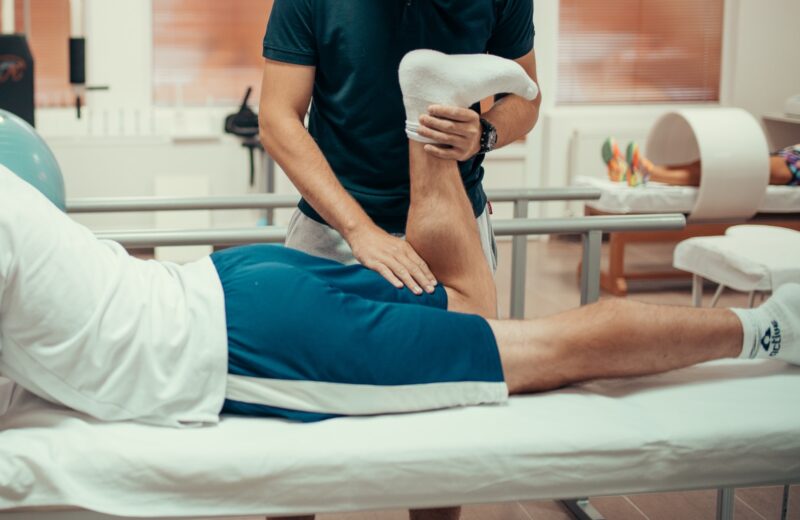
Image — paediatric physiotherapy assessment and play-based treatment
Why it happens

The root causes we look for.

01
Delayed or atypical motor development
When gross motor milestones are missed or movement quality deviates from what's expected for age, an underlying issue may be affecting motor development.
02
Ligament laxity (hypermobility)
Joints that move beyond a normal range cause poor proprioceptive feedback, muscle fatigue, and a higher rate of joint injury.
03
Growth-plate vulnerability
The soft cartilaginous growth plate at the end of a growing bone is more vulnerable to load than mature bone, producing conditions like Osgood-Schlatter disease.
04
Sensory or neurological factors
Toe-walking, coordination difficulty, and some gait patterns can reflect sensory processing differences or an underlying neurological condition rather than habit alone.
Symptoms we treat

Recognise any of these?

Delayed sitting, crawling, standing or walking
Toe-walking
Persistent flat feet with pain or fatigue
Frequent trips, falls or clumsiness
Joint pain or hypermobility
Growing-athlete knee or heel pain (Osgood-Schlatter, Sever's)
Our Approach

How we'll actually treat it.

STEP 1
1
Developmental assessment
History from parents, observation of movement, and comparison against expected motor milestones for age.
STEP 2
2
Play-based treatment
For younger children, therapeutic goals are built into games and obstacle courses rather than formal exercise sets.
STEP 3
3
Parent-led home practice
Parents are taught to fold therapeutic activities into daily play — the single biggest driver of faster progress.
STEP 4
4
Review & progress
Milestones are re-checked against expected development, and the programme adjusts as the child grows.
Services Involved

The disciplines we'll combine.

Every programme braids two or three of our core services. Here's the typical pairing for this condition.

The results

Treatment that actually holds.

The single biggest driver of faster progress in paediatric physiotherapy isn't the clinic session — it's whether parents are folding the same therapeutic activities into daily play and routine at home.

0+
No lower age limit for assessment
Condition-dependent
Typical programme
30–45 min
Per session
Common questions

Your questions, answered.

Still unsure? Our clinicians answer the questions patients ask most. You can always call the HSR Layout clinic for a straight answer first.

Ask us directly
Physiotherapy is appropriate from birth. Infants with torticollis (neck muscle tightness causing head tilt), post-birth brachial plexus injuries, or early neurological concerns are assessed and treated from the first weeks of life. There is no lower age limit for paediatric physiotherapy assessment.
Paediatric physiotherapy is adapted to be appropriate and comfortable for the child. Assessment involves movement and some physical examination, which may be mildly uncomfortable but should not be painful. Treatment is play-based for young children and exercise-based for older ones, and is conducted within tolerances the child can manage.
This depends entirely on the condition. A sports injury in an adolescent may resolve in six to eight sessions. A programme for a developmental condition may continue for months with periodic review. The physiotherapist will give a realistic estimate after the assessment.
A referral is not required to book a paediatric physiotherapy assessment at Sevens. You can contact us directly. If imaging or specialist medical input is needed, the physiotherapist will advise accordingly.
Ready to start?

Let's get this handled.

Book a 60-minute assessment with one of our clinicians. You'll leave with a clear diagnosis, a written programme, and a realistic timeline.

Book assessment
What's included:
  • → Full movement assessment
  • → Diagnosis & root-cause analysis
  • → Written programme with milestones
  • → Cost & timeline upfront
  • → Same-day hands-on treatment if appropriate