S
Sevens Physiotherapy
Physiotherapy · Movement · Rehab
Home/Conditions/Carpal Tunnel Syndrome
Upper Body · Treatment

Carpal Tunnel Syndrome

Carpal tunnel syndrome is the most common nerve entrapment in the body — pressure on the median nerve at the wrist causing numbness, tingling and night pain. Splinting, nerve gliding and ergonomic correction produce outcomes comparable to surgery for mild-to-moderate cases.

Typical programme
6–12 weeks
Session length
45 min
Recovery rate
88%
Understanding the condition

A fixed space, and everything that raises the pressure inside it.

Waking up at night with a numb, tingling hand. Dropping things you should be able to hold. A persistent ache in the wrist that worsens with typing and eases when you shake your hand out. These are the classic symptoms of carpal tunnel syndrome — the most common peripheral nerve entrapment condition in the body. The median nerve, which supplies sensation to the thumb, index, middle and the thumb-side of the ring finger, passes through the carpal tunnel, a narrow fibrous channel at the wrist — and when the pressure inside that tunnel rises, the nerve is compressed.

The carpal tunnel is bounded on three sides by the carpal bones and on the fourth by the transverse carpal ligament, a rigid band. Nine flexor tendons pass through it alongside the median nerve, and the space is fixed — it cannot expand. The most common contributor is tenosynovitis: inflammation and thickening of the tendon sheaths that increases the effective volume of content within the tunnel, often from repetitive wrist and finger movement, particularly sustained wrist flexion during typing or mouse use. Wrist position matters directly — tunnel pressure is lowest with the wrist neutral, and rises significantly with sustained flexion or extension, which is exactly why symptoms are worst at night and during prolonged typing.

Systemic factors — pregnancy, hypothyroidism, diabetes, rheumatoid arthritis, obesity — all increase susceptibility, and a smaller carpal tunnel cross-section is one reason women are affected significantly more often than men. For mild-to-moderate cases, the evidence for conservative management is good: physiotherapy produces outcomes comparable to surgery at one year. Splinting the wrist in neutral at night, nerve and tendon gliding exercises, manual therapy to the wrist joint, and ergonomic correction are the core of that programme.

Carpal Tunnel Syndrome
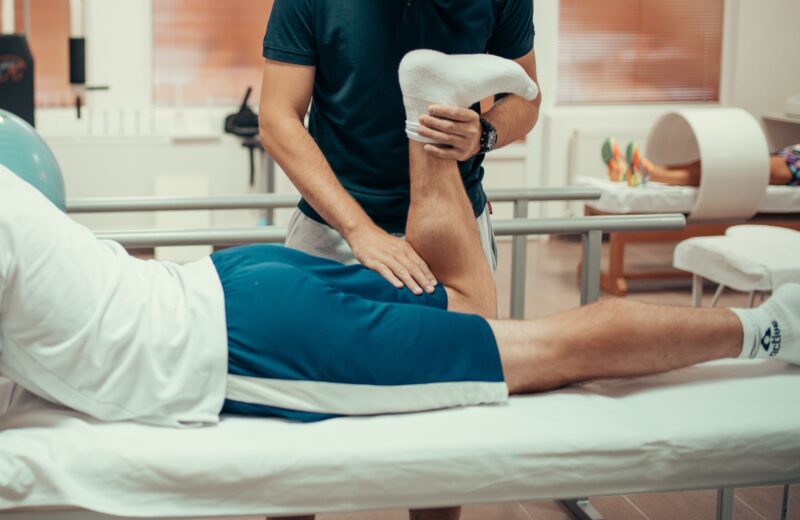
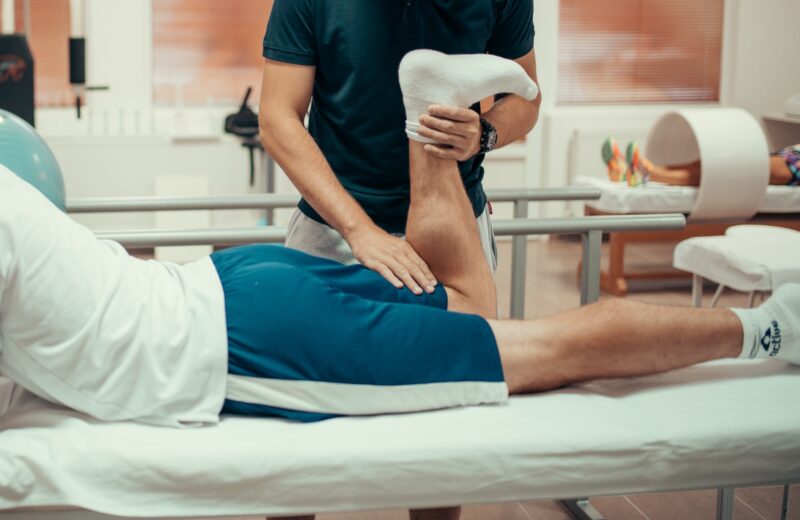
Image — wrist assessment and nerve gliding technique
Why it happens

The root causes we look for.

01
Flexor tenosynovitis
Inflammation and thickening of the flexor tendon sheaths increases the effective volume of content within the fixed carpal tunnel space.
02
Sustained wrist flexion or extension
Tunnel pressure is lowest with the wrist neutral — sustained flexion during typing, or the flexed position many people sleep in, significantly raises it.
03
Systemic factors
Pregnancy, hypothyroidism, diabetes, rheumatoid arthritis and obesity are all associated with higher rates of carpal tunnel syndrome.
04
Anatomical variation
A smaller carpal tunnel cross-section reduces the margin before nerve compression occurs — one reason women are affected more often than men.
Symptoms we treat

Recognise any of these?

Numbness or tingling in the thumb, index and middle fingers
Waking at night with a numb or burning hand
Dropping objects or reduced grip strength
Wrist ache that worsens with typing
Symptoms relieved by shaking the hand out
Wasting at the base of the thumb (advanced cases)
Our Approach

How we'll actually treat it.

STEP 1
1
Assess & differentiate
Phalen's and Tinel's tests confirm the diagnosis and rule out cervical or thoracic outlet causes of similar symptoms.
STEP 2
2
Night splinting
A neutral-position wrist splint, worn at night, is often the fastest way to settle the most distressing symptom.
STEP 3
3
Nerve & tendon gliding
Gentle neurodynamic and tendon gliding exercises reduce nerve mechanosensitivity and tunnel pressure.
STEP 4
4
Ergonomic correction
Keyboard, mouse and wrist-rest positioning are assessed and modified to remove the contributing load.
Services Involved

The disciplines we'll combine.

Every programme braids two or three of our core services. Here's the typical pairing for this condition.

The results

Treatment that actually holds.

Improvement in night symptoms is often the first sign the management approach is working — for most mild-to-moderate cases, that improvement comes from splinting, nerve gliding and ergonomic correction, not surgery.

88%
Recovery & satisfaction rate
88%
Improvement rate with conservative management
6–12 weeks
Typical programme
45 min
Per session
Common questions

Your questions, answered.

Still unsure? Our clinicians answer the questions patients ask most. You can always call the HSR Layout clinic for a straight answer first.

Ask us directly
The diagnosis is primarily clinical, based on the symptom pattern and specific examination tests including Phalen's test (sustained wrist flexion reproducing symptoms) and Tinel's test (tapping over the carpal tunnel producing tingling). Nerve conduction studies provide objective confirmation and quantify the degree of nerve compromise.
Yes, particularly in mild to moderate cases. Conservative management including splinting, nerve gliding exercises, ergonomic modification, and physiotherapy is effective in a significant proportion of patients. Surgery is not the automatic first step.
Modified typing, with attention to wrist position and regular breaks, is usually possible and preferable to stopping entirely. Complete cessation of activity does not treat the underlying nerve compression and is rarely necessary. Ergonomic modification makes more difference than work cessation for most patients.
Recurrence after carpal tunnel release is uncommon but does occur. It is more likely in patients where the underlying contributing factors, such as diabetes, obesity, or workplace ergonomics, have not been addressed alongside the surgery.
Ready to start?

Let's get this handled.

Book a 60-minute assessment with one of our clinicians. You'll leave with a clear diagnosis, a written programme, and a realistic timeline.

Book assessment
What's included:
  • → Full movement assessment
  • → Diagnosis & root-cause analysis
  • → Written programme with milestones
  • → Cost & timeline upfront
  • → Same-day hands-on treatment if appropriate