If you’ve watched any major sporting event in the last decade, you’ve probably seen the circular marks on athletes’ backs and shoulders and wondered what left them there. Cupping therapy, which involves placing suction cups on the skin to draw the soft tissue upward, has become increasingly common in both elite sport and general physiotherapy practice.
Cupping is a genuine adjunct for myofascial restrictions — chronic neck, upper back, and shoulder tightness respond reasonably well in the research. It doesn’t fix structural problems like disc herniations or tendon tears, and the marks it leaves aren’t bruises — they fade in 3 to 7 days and aren’t a measure of how “toxic” your tissue was.
Like many treatments in manual therapy, cupping tends to attract strong opinions. Enthusiasts credit it with everything from resolving chronic pain to improving athletic performance. Sceptics point to limited research and dismiss it as no better than placebo. The reality, as is usually the case, is somewhere in between.
This guide explains what cupping therapy actually does to the tissue, what the research says about its effects, which conditions it’s most useful for, and, crucially, when it’s being oversold as a treatment it can’t deliver.
What Cupping Therapy Is and How It Works
Cupping is one of the oldest manual therapy techniques, with roots in traditional Chinese medicine, Egyptian medicine, and Arabic healing practices. In its modern physiotherapy application, it’s been adapted into a technique called myofascial decompression.
The principle is simple: a cup, which can be glass, silicone, or plastic, is applied to the skin and a partial vacuum is created either by heating the air inside the cup or by using a mechanical pump. The negative pressure draws the skin and superficial fascia upward into the cup. The cups are left stationary for several minutes, moved across the skin in a technique called gliding cupping, or combined with movement of the underlying joint.
The characteristic circular marks that cupping leaves are caused by the suction drawing blood into the superficial tissues. These aren’t bruises in the conventional sense; they’re extravasations of blood that occur without trauma to the tissue. They fade within three to seven days.
At the tissue level, cupping is thought to increase local blood flow and lymphatic drainage, improve tissue hydration, reduce myofascial restrictions, and stimulate mechanoreceptors in the skin and underlying fascia.
What the Evidence Actually Shows
The research on cupping therapy is growing but still limited in quality. The majority of studies are small, short-term, and use inconsistent protocols, which makes firm conclusions difficult.
For certain conditions, the evidence is relatively supportive. Chronic neck pain appears to be one area where cupping has demonstrated meaningful pain reduction in multiple studies, particularly when combined with other physiotherapy interventions. Lower back pain and shoulder pain have also shown positive outcomes in some trials, though the effect sizes are modest.
For sports performance and recovery, the evidence is weaker. The claim that cupping significantly accelerates recovery between training sessions or enhances athletic performance isn’t well supported by the current evidence. The highly visible use of cupping among elite athletes creates the impression of efficacy, but the research hasn’t caught up with the marketing.
The honest position is this: cupping appears to be a useful adjunct for certain musculoskeletal pain presentations, particularly those involving myofascial restrictions in the neck, upper back, and shoulder. It is not a treatment for structural pathology such as disc herniations, labral tears, or tendon degeneration. Used appropriately within a broader physiotherapy programme, it can contribute to faster pain relief and improved tissue mobility. Used in isolation, it’s unlikely to produce lasting results.
When Cupping Is Clinically Appropriate
At Sevens Physiotherapy in HSR Layout, cupping is offered as one of several treatment modalities within the broader physiotherapy programme, not as a standalone session. The decision to include it is based on the clinical presentation rather than patient request.
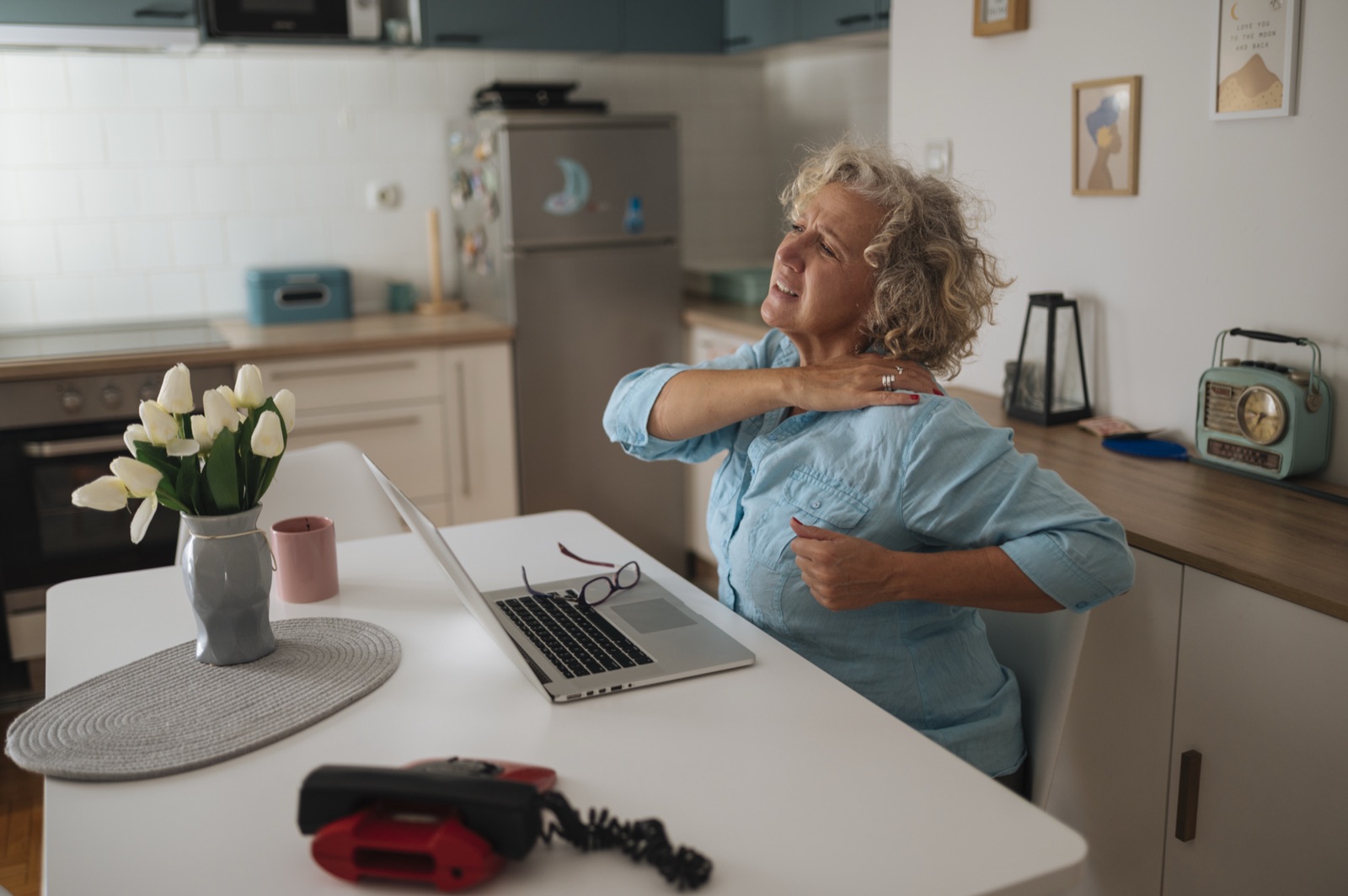
Cupping is most likely to be useful when the clinical picture includes myofascial restrictions in the soft tissue, poor tissue hydration and mobility, and pain that’s significantly contributing to movement restriction. Common presentations where cupping is considered include chronic neck and upper trapezius tightness, thoracic spine stiffness, shoulder impingement presentations where soft tissue restrictions are a significant component, and lower back pain with significant gluteal and thoracolumbar fascia tightness.
Cupping is layered in alongside manual therapy and exercise, because the tissue mobility improvements it produces are most valuable when immediately followed by work that takes advantage of that improved mobility. This sequencing is more effective than cupping alone.
When Cupping Is Not the Right Choice
Understanding when cupping is not appropriate is equally important, because not every physiotherapy presentation involves myofascial restrictions as a primary driver.
Cupping is not a treatment for structural joint problems. A disc herniation, rotator cuff tear, or ACL injury requires a fundamentally different approach. Cupping applied to these presentations might provide some symptomatic relief but won’t address the underlying pathology.
Cupping is also not appropriate over active inflammatory conditions, open wounds, skin conditions including psoriasis or eczema in the treatment area, varicose veins, or active infection. Patients on blood-thinning medications should inform their physiotherapist before any cupping session, as the potential for bruising is increased. It’s also not an appropriate first-line treatment for acute injuries in the first forty-eight hours — the inflammatory response in the immediate post-injury period shouldn’t be disrupted by additional soft tissue work of any kind.
The Marks and Common Concerns
The circular marks left by cupping are one of the most common concerns among new patients. They look dramatic, but they’re painless after the session ends and fade completely within a few days.
The colour of the marks varies between individuals and reflects the degree of tissue stagnation and congestion being treated, at least in the traditional framework. Darker marks are generally associated with more significant local circulation issues, while lighter marks or no marks may indicate healthier tissue mobility — but this is an observational framework, not something to over-interpret clinically. The marks aren’t a measure of how effective the session was or an indication that the treatment was too aggressive. They’re a normal and expected outcome.