There’s a widespread assumption that the physical decline that comes with ageing is inevitable and irreversible — that losing strength, growing less steady on your feet, aching joints, and a shrinking world of activities are simply what growing older means.
That assumption is substantially wrong. Muscle mass can be rebuilt well into your seventies and beyond, balance can be improved at any age, and fall risk can be measurably reduced — by twenty-five to forty percent with a structured programme. Geriatric physiotherapy isn’t exotic: it’s targeted strength and balance work, manual therapy where needed, and fall-prevention training, delivered with an understanding of how an older body actually responds.
This assumption is substantially wrong, and decades of research in geriatric medicine and physiotherapy demonstrate it clearly. Age-related physical decline is real but heavily modifiable. The interventions that achieve this aren’t exotic or risky — they’re structured, progressive exercise, manual therapy where appropriate, and fall prevention programming, delivered by a physiotherapist who understands the specific physiology of older adults.
What Changes in the Musculoskeletal System With Age
Understanding what actually happens physiologically as the body ages explains why geriatric physiotherapy targets what it does.
Sarcopenia, the age-related loss of muscle mass and strength, begins gradually in the fourth decade and accelerates significantly after sixty. The primary mechanism is a decline in the body’s ability to synthesise muscle protein in response to exercise, combined with reduced activity levels in most older adults. The consequence isn’t just reduced strength — it’s reduced metabolic rate, higher fall risk, impaired recovery from illness and surgery, and reduced capacity for daily activities.
The most sedentary older adults show the most rapid and severe decline. The most active show considerably slower deterioration. Exercise is the single most powerful intervention available for maintaining physical function in older adults.
Bone density declines with age, more rapidly in women after menopause. Osteopenia and osteoporosis raise fracture risk from falls that would cause no injury in a younger person, and hip fracture carries a significant risk of permanent functional decline and elevated mortality in the year that follows.
Balance deteriorates for multiple reasons at once: reduced sensitivity of the proprioceptive receptors in joints and muscles, slowed nerve conduction, vestibular changes, and visual decline all reduce the precision and speed of the responses that prevent falls. Joint cartilage thins and becomes less resilient, making osteoarthritis increasingly common, and the intervertebral discs lose hydration and height, reducing spinal flexibility.
What Geriatric Physiotherapy Actually Addresses
Fall prevention is one of the highest-priority components. Falls are the leading cause of injury in people over sixty-five.
The programme includes standardised balance assessment, identification of the specific strength and balance deficits contributing to risk, and a progressive exercise programme targeting those deficits, alongside gait analysis to flag features that increase fall risk, like reduced step length or inadequate foot clearance during the swing phase.
Post-surgical rehabilitation after hip and knee replacement is a major component too — older adults undergo these procedures in significant numbers, and it matters more in this group specifically because pre-operative deconditioning is more common and recovery is slower. Our hip replacement rehab programme, in particular, is built around this population.
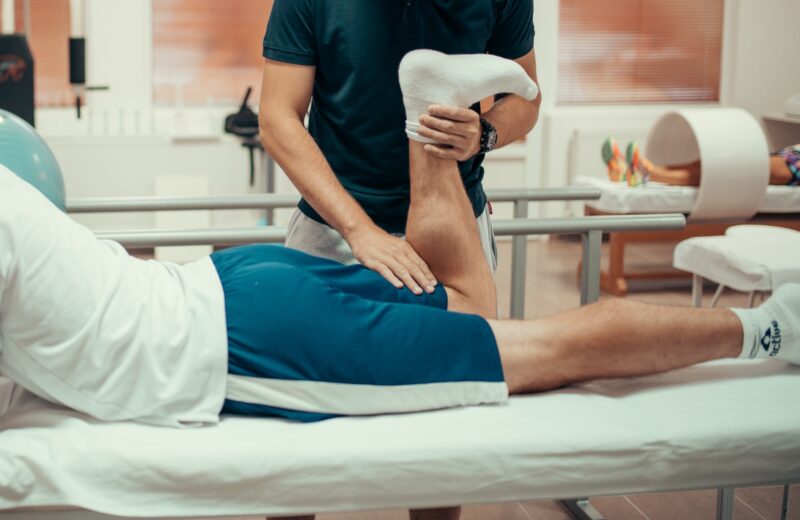
Management of chronic musculoskeletal pain, including osteoarthritis and spinal stenosis, is another important area. Older adults are often told their pain is simply a consequence of ageing and that little can be done — this is frequently not true. Physiotherapy can significantly reduce pain and improve function in conditions like knee osteoarthritis through exercise, manual therapy, and activity modification.
Neurological rehabilitation for older adults recovering from stroke, Parkinson’s disease, or other neurological conditions is another component — gait training, balance rehabilitation, and functional movement retraining support recovery and reduce the dependency that often follows these events.
What a Geriatric Physiotherapy Assessment Includes
A comprehensive assessment at Sevens in HSR Layout includes standardised balance testing — measures like the Berg Balance Scale and the Timed Up and Go — that give an objective read on fall risk. Muscle strength testing identifies the specific weakness patterns behind functional limitation, and gait analysis assesses walking speed, step length, cadence, and movement quality.
The assessment also reviews medications that can affect balance and fall risk, including sedatives, antihypertensives, and certain cardiac medications, and discusses environmental factors in the home that contribute to fall risk — simple modifications here can make a significant safety difference.
The physiotherapist works with the older adult to set realistic, meaningful goals. For one person that might be walking safely to the park; for another, returning to a weekly game of badminton. The programme is built around these goals, not generic milestones.
The Role of Strength Training in Healthy Ageing
Strength training is one of the most comprehensively studied interventions in older adult health. The evidence is clear: older adults, including those in their seventies and eighties, respond to strength training with meaningful gains in muscle mass, strength, and functional capacity.
The concern that heavy exercise is dangerous for older adults isn’t supported by the research. Appropriately prescribed, supervised resistance exercise is safe and effective across a wide age range — the greater danger, in terms of fall risk, fracture risk, and functional decline, is inactivity.
At Sevens, strength programmes for older adults are progressive and targeted at the muscle groups most critical for fall prevention and daily function: quadriceps, hip abductors, calf muscles, and trunk stabilisers. Clinical pilates on the reformer is an excellent platform here — the supported positions and adjustable resistance allow effective strengthening regardless of starting fitness level.