Tennis Elbow
Tennis elbow — lateral epicondylalgia — is a tendinopathy that becomes chronic when it's managed with rest instead of progressive loading. We treat the tendon's capacity, not just the pain.
Rest doesn't fix a tendon that needs to be loaded.
Despite its name, tennis elbow is not primarily a condition of tennis players. The majority of people who walk into a physiotherapy clinic with lateral elbow pain are office workers, manual workers, and tradespeople whose common activity is not a backhand groundstroke but a computer mouse, a screwdriver, or a paintbrush. The name refers to the mechanism, not the population — the same forearm muscles loaded during a tennis backhand are the ones affected, but the load doesn’t have to be tennis-specific. Tennis elbow, or lateral epicondylalgia, is a tendinopathy of the extensor carpi radialis brevis — a failed healing response to chronic overload that produces degeneration rather than the normal repair expected from acute injury.
The condition is famously persistent, with symptoms often lasting months to years despite rest and self-management. Tendons respond to load with a cycle of micro-damage and repair; when load consistently exceeds the tendon’s capacity to repair, the degenerative process outpaces repair and tendinopathy develops. The degenerated tissue isn’t inflamed in the traditional sense, which is why anti-inflammatory medication produces only modest benefit — and it becomes pain-sensitised, so stimuli that wouldn’t normally hurt now do, a sensitisation that can persist even after the tendon pathology has improved.
This is exactly why rest alone doesn’t work: a rested tendon hasn’t become stronger, so the same inadequate capacity is still there when load resumes, and the condition returns. Corticosteroid injections give rapid short-term relief but multiple studies show worse outcomes at three to six months compared with physiotherapy, because the relief comes at the cost of temporarily worsening the tendon pathology. The evidence-based fix is progressive tendon loading — starting with isometric holds, then eccentric, concentric, and heavy slow resistance work as the tendon adapts.
The root causes we look for.
Recognise any of these?
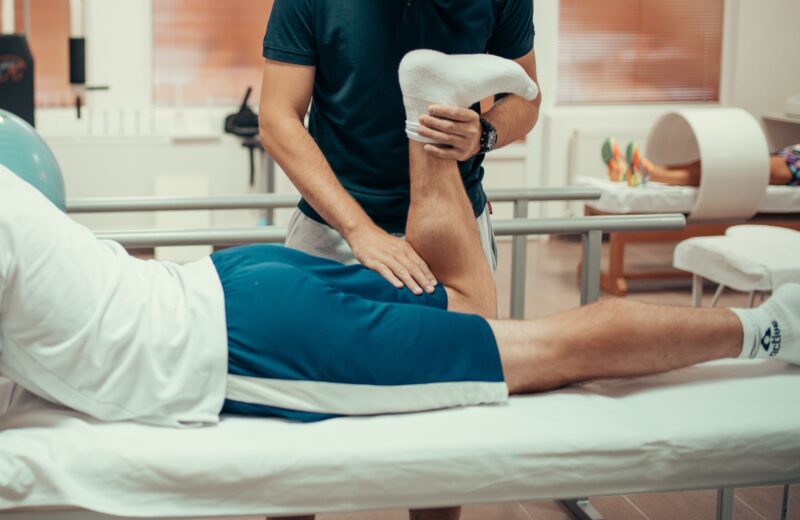
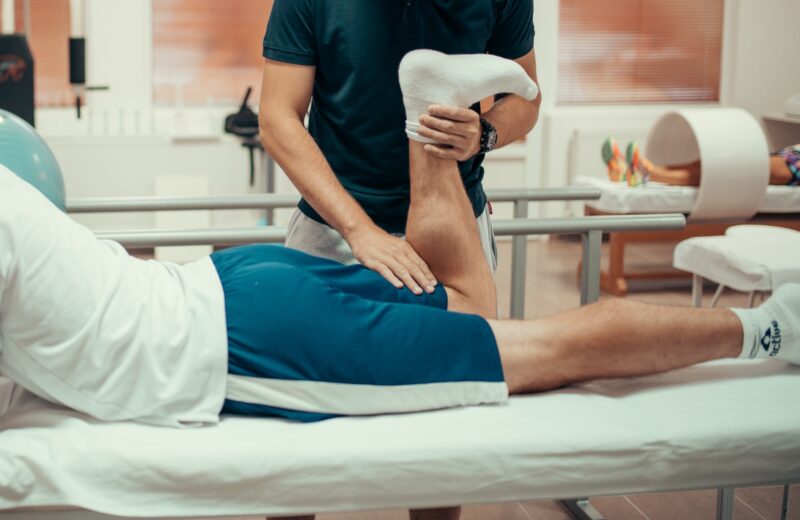
How we'll actually treat it.
The disciplines we'll combine.
Every programme braids two or three of our core services. Here's the typical pairing for this condition.
Treatment that actually holds.
90% of our tennis elbow patients see significant improvement — the outcome of progressive tendon loading done properly, not the short-term relief-then-relapse cycle that rest and injections tend to produce.
Your questions, answered.
Still unsure? Our clinicians answer the questions patients ask most. You can always call the HSR Layout clinic for a straight answer first.
Ask us directly
Let's get this handled.
Book a 60-minute assessment with one of our clinicians. You'll leave with a clear diagnosis, a written programme, and a realistic timeline.
Book assessment- → Full movement assessment
- → Diagnosis & root-cause analysis
- → Written programme with milestones
- → Cost & timeline upfront
- → Same-day hands-on treatment if appropriate