A dull ache that starts at the base of your skull and creeps over one side of your head, worse after a long day at the laptop. Many people treat this with painkillers for years, without realising the source may be the neck.
Cervicogenic and tension-type headaches can originate from the upper neck joints and muscles. Clues include pain that starts at the base of the skull, one-sided pain, and pain that worsens with neck movement or sustained posture. Physiotherapy with joint mobilisation, dry needling, deep neck flexor strengthening and posture correction is one of the most effective treatments. Migraine is different, so an assessment tells the difference.
How the Neck Causes Headaches
The upper three neck joints and the nerves that leave them share pathways with the head’s pain-sensing system. When those joints stiffen or the small muscles at the base of the skull stay tight, they can refer pain to the back of the head, behind the eye or across the forehead.
Long hours in a forward-head posture are the modern trigger, which is why this is so common among desk workers; see our guide on neck pain and the workplace setup notes under ergonomics.
A headache that starts at the base of the skull and worsens with neck posture is worth having your neck examined, not just medicated.
Cervicogenic, Tension or Migraine?
Cervicogenic headaches are usually one-sided, start in the neck and are triggered by neck movement or sustained positions. Tension-type headaches feel like a band or pressure on both sides. Migraine tends to be throbbing, often with nausea and light or sound sensitivity, and typically is not provoked by neck position, although the neck can aggravate it.
Some people have a mix. That is why assessment matters: neck treatment helps cervicogenic and many tension headaches, but it is not a substitute for medical review of migraine or any new, severe or unusual headache.
What Physiotherapy Involves
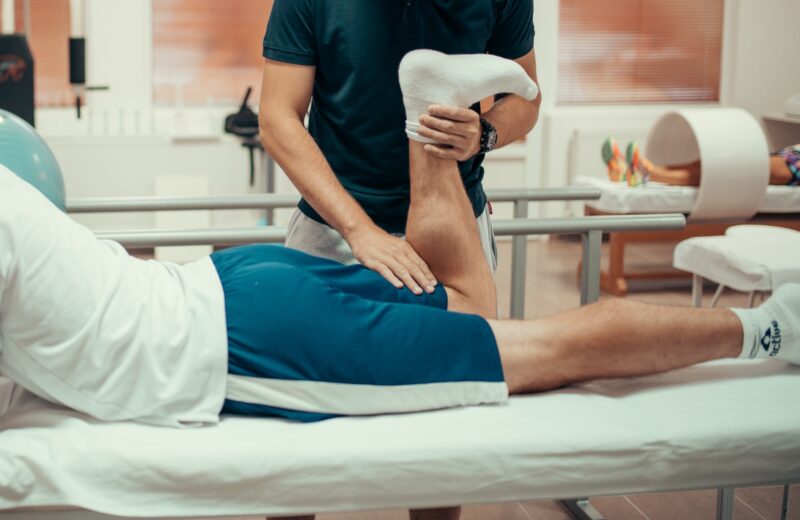
Treatment usually combines gentle joint mobilisation, soft-tissue work and dry needling to the tight suboccipital and upper-trapezius muscles, described in our dry needling pages, with strengthening of the deep neck flexors and shoulder-blade muscles.
Posture retraining and a workstation review keep the improvement, and postural correction at Sevens is designed for exactly that. Most people notice a change in headache frequency within a few weeks.
Red Flags: See a Doctor First
A sudden, severe ‘worst ever’ headache, headache after a head injury, fever with a stiff neck, new neurological symptoms such as weakness or vision changes, or a new headache pattern after fifty all need urgent medical assessment before any physiotherapy.
Book a Neck and Headache Assessment at Sevens Physiotherapy
At Sevens Physiotherapy in HSR Layout, Bangalore, we check whether your neck is contributing to your headaches and treat it accordingly. Book at hello@sevensphysiotherapy.com or call +91 99009 01958.