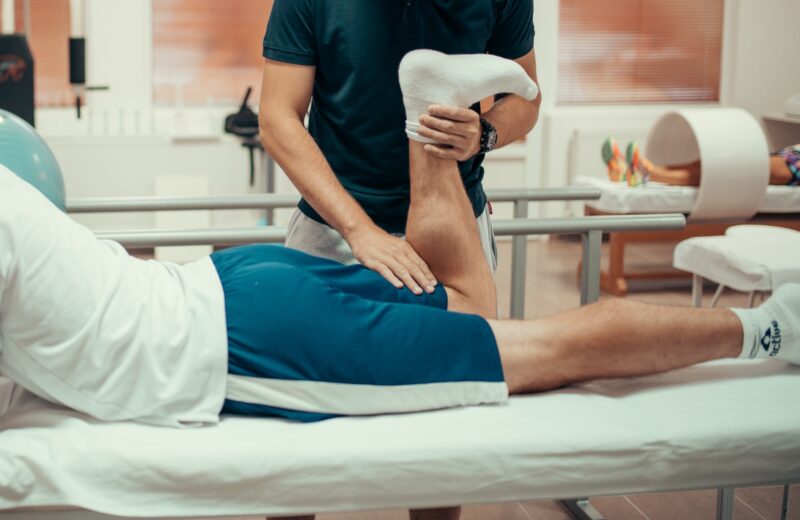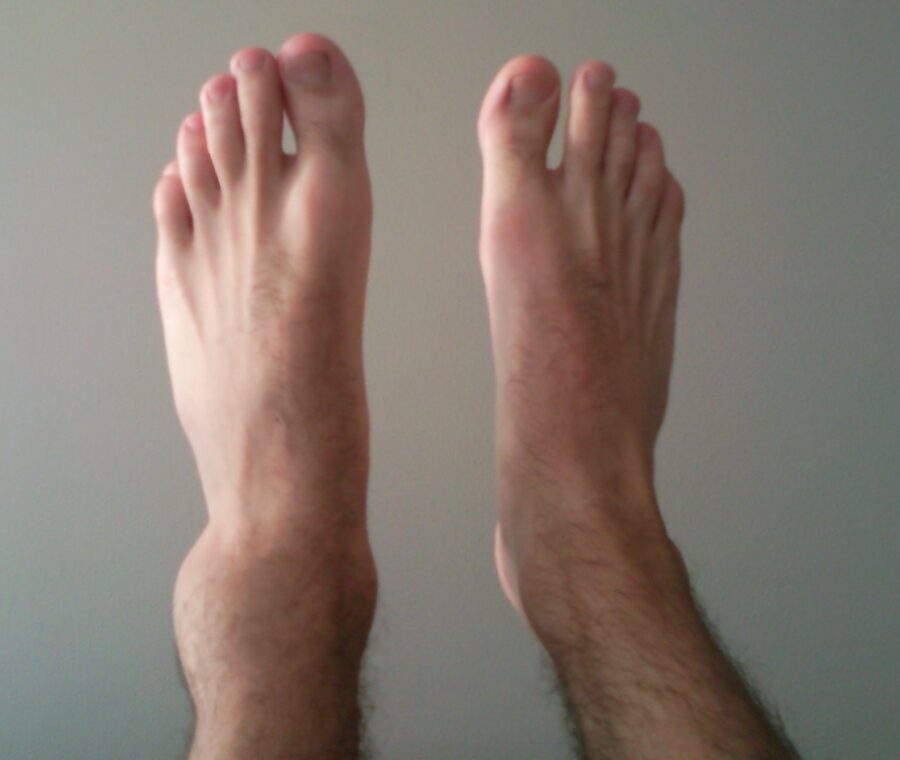
An ankle sprain is so common that most people treat it as barely worth medical attention. You roll your ankle, it hurts, it swells, you rest it for a few days, and then you walk on it when it feels better enough. This approach, however understandable, is how ankle sprains become recurring problems that last for years.
The rate of reinjury after a first ankle sprain is 30-40% — not because the ligament heals poorly, but because most people stop rehab once the pain goes, before the joint’s protective reflex (proprioception) has recovered. Ligaments heal in six to eight weeks; that reflex takes dedicated balance and reaction training to restore. Skip that phase and the ankle looks fine but keeps giving way on stairs and uneven ground.
Many people develop chronic ankle instability: persistent giving way and reduced confidence in the ankle that follows from inadequately rehabilitated ligament injuries. The ankle feels okay for most daily activities but goes over on uneven ground, on stairs, or during sport with disconcerting regularity.
This doesn’t have to happen. A properly managed ankle sprain, with appropriate physiotherapy, can heal fully with a lower risk of reinjury than the inadequately managed version. The difference isn’t the severity of the initial injury — it’s whether rehabilitation restores not just the tissue but the neuromuscular control the joint needs to protect itself.
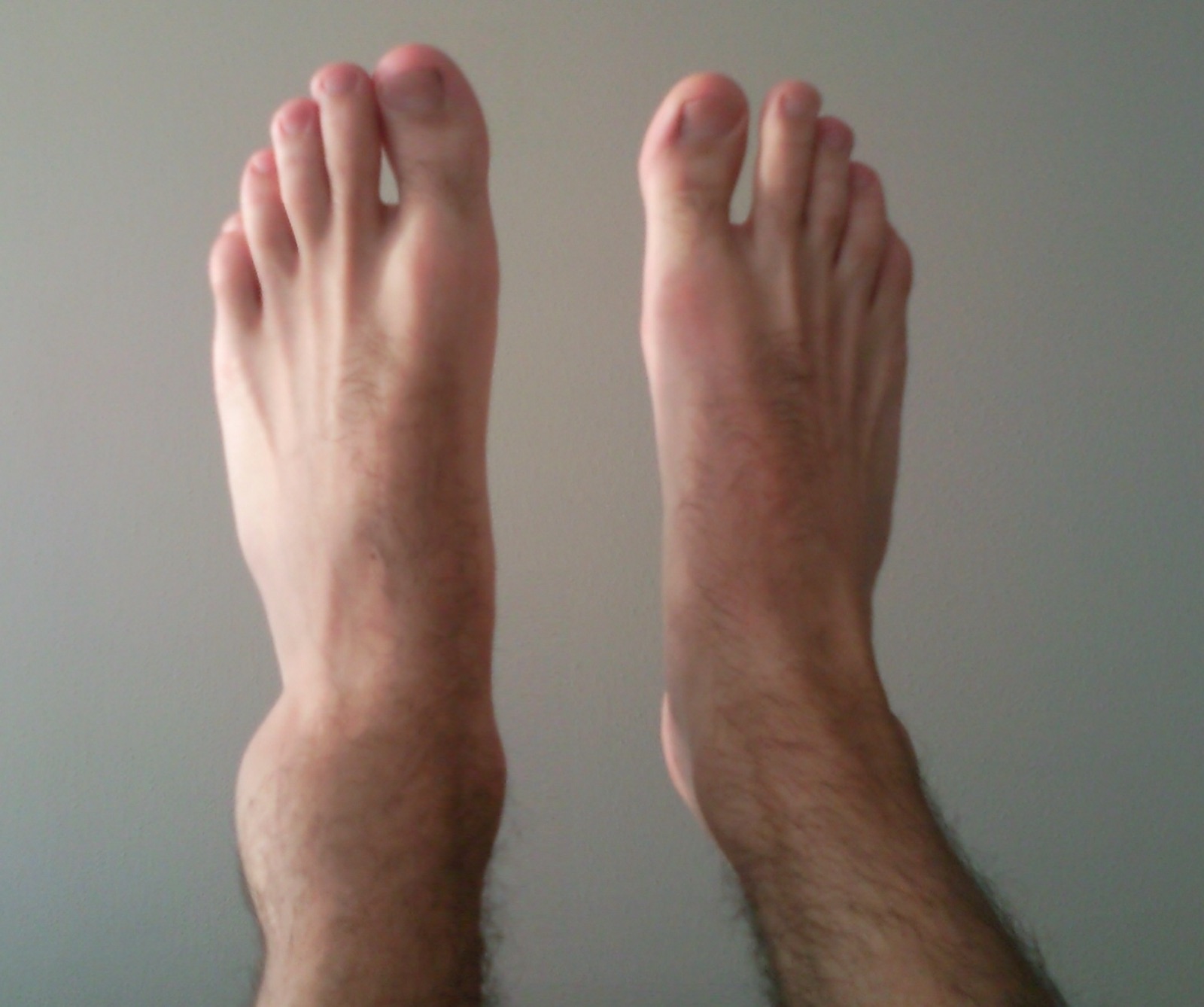
Understanding Ankle Ligament Anatomy
The most common ankle sprain is a lateral ankle sprain, involving the ligaments on the outside of the ankle. It happens when the foot inverts (rolls inward) under a loaded ankle, stretching or tearing the lateral ligaments beyond their elastic limit.
The anterior talofibular ligament (ATFL) is the most commonly injured — it runs from the front of the fibula to the talus and is taut when the foot is in plantarflexion, the position the ankle is in when the sprain occurs. The calcaneofibular ligament (CFL) runs from the fibula to the calcaneus and is involved in more severe sprains. The posterior talofibular ligament (PTFL) is rarely injured except in severe dislocations.
Lateral ankle sprains are graded from Grade I (stretching without macroscopic tearing), through Grade II (partial tear), to Grade III (complete ligament rupture). Management principles are similar across grades — the initial protection and recovery timeline differ.
Medial ankle sprains, involving the deltoid ligament on the inside of the ankle, are less common because the ligament is significantly stronger and the bone anatomy resists eversion more. When they do occur, particularly combined with a lateral sprain, they indicate significant force was involved. Syndesmotic sprains, or high ankle sprains, involve the ligaments connecting the tibia and fibula above the ankle joint — less common but more disabling, with a longer recovery timeline, and frequently underdiagnosed early on.
The First 72 Hours: What to Do and What Not to Do
Acute ankle sprain management has moved on from the traditional RICE (Rest, Ice, Compression, Elevation) protocol to PEACE and LOVE: Protection, Elevation, Avoid anti-inflammatory medication, Compression, Education in the first phase; then Load, Optimism, Vascularisation, Exercise after that.
Avoiding anti-inflammatory medication in the first seventy-two hours is recommended because inflammation is a necessary part of healing — it triggers the cellular processes that repair damaged tissue, and suppressing it aggressively may slow healing rather than help. That doesn’t mean tolerating extreme pain; paracetamol is fine. It means not defaulting to ibuprofen or diclofenac immediately.
Rest should be relative, not absolute. Complete immobilisation is rarely appropriate after a Grade I or Grade II sprain and is linked to more prolonged recovery and greater loss of function. Moving the ankle within a pain-free range from day one maintains circulation and tissue nutrition, and prevents the stiffness that develops rapidly in an immobilised joint. Compression reduces swelling and provides proprioceptive feedback; elevation reduces hydrostatic pressure and assists fluid return. Walking on the sprained ankle, with support if needed, as soon as it’s possible without significant pain, is encouraged — the days of staying completely off a sprained ankle are behind us.
Why Proprioception Matters More Than Ligament Healing
Here’s the part most people miss: the ligaments of the ankle heal within six to eight weeks of even a moderate sprain, with appropriate management. The structural repair isn’t the problem.
The problem is that ligaments contain mechanoreceptors — sensory receptors that tell the brain about ankle joint position and movement. When the ligament is damaged, these receptors are damaged too, and even after the tissue has healed structurally, that proprioceptive function may stay impaired. This means the ankle’s protective neuromuscular response — the automatic muscle activation that fires when the ankle starts to go over — is slower and less effective than before the injury. A joint that’s healed structurally but lost part of its self-protection mechanism. This is why people re-sprain rehabilitated ankles.
Restoring proprioception is the most important phase of ankle sprain rehab, and it needs specific balance and neuromuscular training, not just rest and strength exercises. Single-leg balance on progressively unstable surfaces, ankle reaction training, and sport-specific movement retraining restore the automatic protective response that prevents reinjury — the same principle behind how we approach sports injuries generally: fixing the mechanism that caused it, not just the tissue it damaged.
The Physiotherapy Programme at Sevens
Ankle sprain rehabilitation at Sevens in HSR Layout follows this evidence closely. The acute phase optimises conditions for healing; the rehab phase restores the full function of the ankle, not just the pain-free walking most people mistake for recovery.
Phase one addresses pain and swelling, restores full range of motion, and begins gentle weight-bearing as tolerated — manual therapy to the ankle and subtalar joints restores mobility that protective muscle guarding may have limited. Phase two strengthens the peroneal muscles (the ankle’s primary active stabilisers on the lateral side), the calf complex, and the intrinsic foot muscles — weakness here is the other contributor to ongoing instability alongside proprioceptive impairment.
Phase three is the neuromuscular phase: balance training starting double-leg and eyes-open, progressing to single-leg, eyes-closed, and unstable-surface work, plus reaction training with unexpected perturbations to challenge the automatic protective response. Where a brace or taping is used to support return to activity, it’s a bridge during this phase, not a substitute for it. Return to sport or high-level activity is guided by objective criteria — strength symmetry between sides, hopping and landing performance, and functional tests specific to the patient’s sport — the same load-management approach used across our physiotherapy and fitness training programmes.