It starts as a twinge on the stairs, then it is there when you stand up from a chair, squat at the gym or run. Most people assume their knee is worn out and start avoiding movement. In most cases the knee is not worn out; it is overloaded, and that is fixable.
Most knee pain on stairs, squats and after sitting is a load-tolerance problem around the kneecap or a tendon, not damaged cartilage. Physiotherapy finds which structure is irritated, temporarily adjusts load, and builds hip, thigh and calf strength so the knee can tolerate what you ask of it. Rest alone rarely fixes it.
The Common Causes of Knee Pain on Stairs and Squats
Pain at the front of the knee, especially on stairs, squats and after sitting for a long time, is most often patellofemoral pain, sometimes called runner’s knee. The kneecap tracks under more pressure than its tissues currently tolerate. Pain just below the kneecap can be patellar tendinopathy, common in people who jump or squat heavily.
Pain on the outside of the knee in runners often points to the IT band and hip control; see our guide to sports injuries for how load errors cause them. Pain that comes with morning stiffness in people over forty may be early knee osteoarthritis, which also responds well to exercise.
Most knee pain on stairs and squats is not a worn-out joint. It is a knee asked to handle more load than the muscles around it can currently control.
Why Rest Usually Makes It Worse
Resting calms the pain for a few days but reduces the strength and tolerance of the tissues. When you return to stairs, squats or running, the same load hits a weaker knee and the pain comes back. This is why so many people cycle between rest and flare-ups for months.
Weak hip and thigh muscles are the usual hidden driver. When the glutes and quads do not control the thigh, the knee collapses inward under load and the kneecap or tendon takes the strain.
What Physiotherapy Does
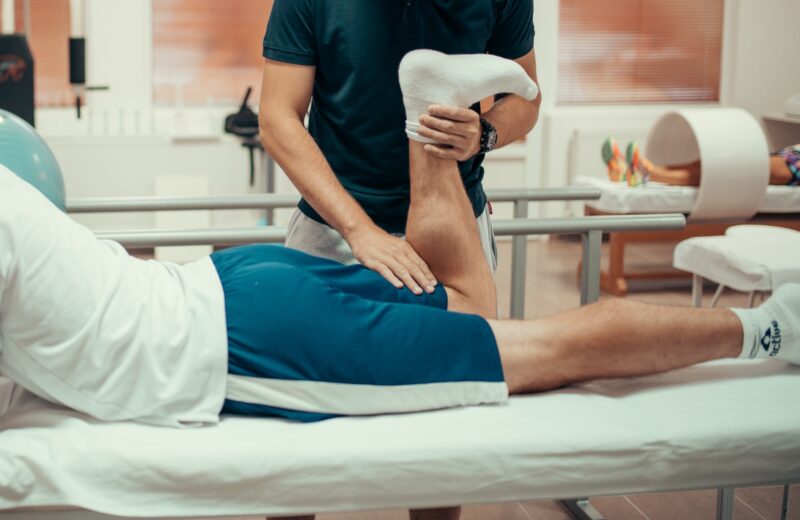
Assessment identifies the irritated structure and the movement pattern loading it. Early treatment reduces pain with load modification, taping or bracing where helpful, and manual therapy. Then comes progressive strengthening of the quads, glutes, hip rotators and calves, starting in pain-free ranges and building toward stairs, squats and running.
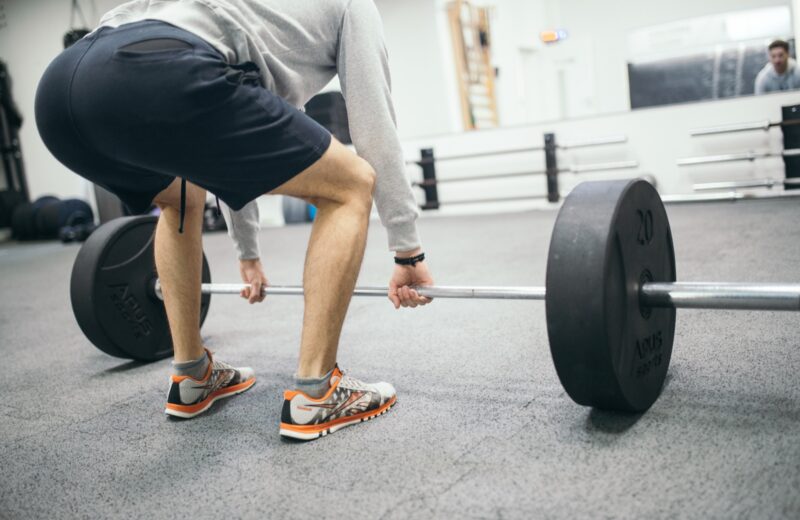
Strength and conditioning work in the gym, guided by a physiotherapist, is the final stage, so the knee is prepared for the exact activity you want to return to. Fitness training at Sevens is built around this return-to-load principle.
When to Get a Scan or See an Orthopaedic Doctor
See a doctor promptly if your knee locks or gives way, swells quickly after injury, or you cannot bear weight. Most other knee pain does not need imaging first, because scans often show changes that do not explain your pain.
Book a Knee Assessment at Sevens Physiotherapy
At Sevens Physiotherapy in HSR Layout, Bangalore, we pinpoint what is overloaded and give you a clear plan with realistic timelines. Book at hello@sevensphysiotherapy.com or call +91 99009 01958.