Leaking a little when you laugh, cough or run. A heavy, dragging feeling after having a baby. Pelvic or lower-back pain that never quite goes away. Many women, and some men, put up with these for years because they assume it is just what happens next.
The pelvic floor supports the bladder, bowel and uterus and works with your deep core. Weakness, overactivity or poor coordination causes leaks, urgency, heaviness and pelvic or low-back pain. Assessment-led pelvic floor physiotherapy retrains the muscles, and many people improve within six to twelve weeks. Some need to relax the pelvic floor, not squeeze it.
What the Pelvic Floor Does
The pelvic floor is a hammock of muscle at the base of the pelvis. It holds up the pelvic organs, helps control the bladder and bowel, contributes to sexual function and works with the diaphragm and deep abdominals to manage pressure inside the abdomen when you lift, cough or run.
Because it is part of the core, problems here often show up as low-back pain or hip pain too.
Leaks, heaviness and pelvic pain are common, but they are not normal, and they are treatable with the right individual programme.
Who Benefits
Common groups include women during and after pregnancy, people with leaks on coughing, laughing or exercise, people with urgency, pelvic pain or pain with intercourse, and those recovering from pelvic or abdominal surgery, as covered in post-surgery rehab. Men also benefit, particularly after prostate surgery.
Leaks are common, but they are not something you have to accept, and starting earlier tends to work better.
Why Kegels Are Not Always the Answer
Some people have a weak pelvic floor that needs strengthening. Others have a tense, overactive one that needs releasing, and squeezing harder makes it worse. Which one you have cannot be guessed, which is why an individual assessment beats a generic exercise sheet.
What a Session Involves
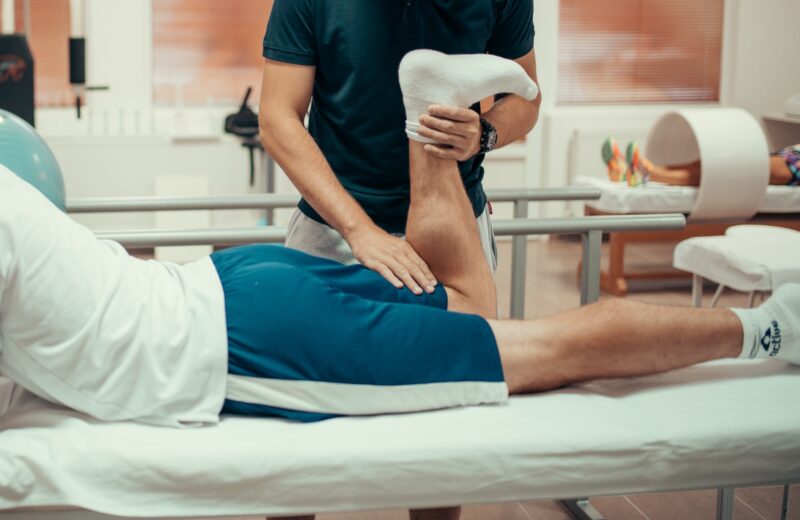
The first physiotherapy session is a private, consent-led conversation and assessment of your history, breathing, posture, and pelvic floor function. Any internal assessment happens only with your explicit consent, and many people begin with external assessment only.
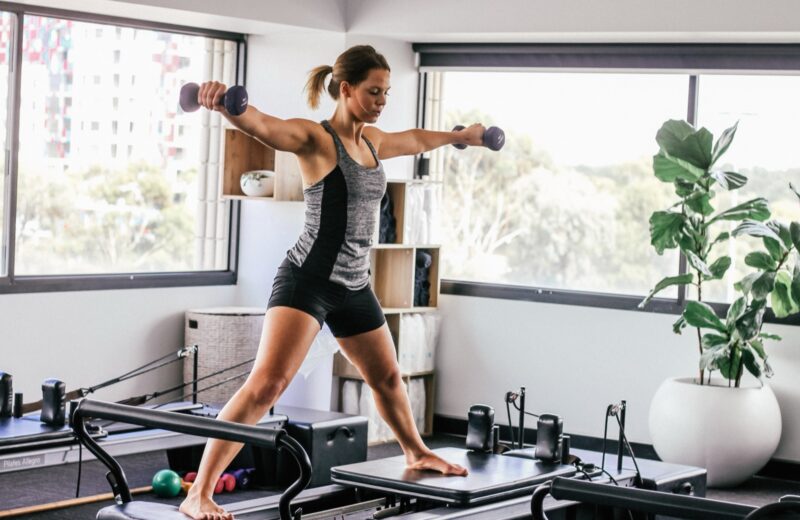
Treatment builds awareness, coordination and strength, then blends the pelvic floor into breathing, deep-core work and functional movement. Supervised clinical pilates is a natural next step for rebuilding the whole core after childbirth or surgery.
Book an Assessment at Sevens Physiotherapy
At Sevens Physiotherapy in HSR Layout, Bangalore, contact us to discuss whether pelvic floor physiotherapy is right for you and how your first appointment would work. Book at hello@sevensphysiotherapy.com or call +91 99009 01958.