Almost everyone has been told at some point in their life to stand up straight or stop slouching. And almost everyone who has tried to act on this advice has found that the effect lasts approximately three minutes before they return to their habitual position.
Bad posture isn’t a willpower problem — it’s shortened muscles, weak stabilisers, and stiff joints that physically lock the body into a position. Postural correction fixes it in three layers: restoring mobility, rebuilding strength, then retraining movement so the correct posture becomes automatic rather than effortful. Mild cases improve in 6 to 8 weeks; long-standing ones can take 10 to 16.
This is not a failure of willpower. It’s a failure of understanding what postural problems actually are and what it actually takes to correct them.
Postural correction is not a matter of reminding yourself to sit up. It’s a structured clinical process that addresses the specific muscle imbalances, joint restrictions, and movement patterns that have locked the body into a particular position. When it’s done properly by a physiotherapist, the results are measurable, lasting, and frequently produce an unexpected reduction in pain that the patient didn’t anticipate.
This guide explains what postural correction in Bangalore actually involves, who’s most likely to benefit from it, and what realistic timeframes look like based on the severity of the presentation.
What Causes Poor Posture in the First Place
The body is remarkably adaptable. Over months and years of sustained positions, whether from desk work, habitual movement patterns, sport, or psychological tension, the body reorganises its structure around those demands.
Muscles that are held in a shortened position for long periods develop adaptive shortening: the muscle fibre structure adjusts to function optimally at the shorter length. Muscles that are chronically lengthened without adequate load become weak and poorly recruited. Joints that are sustained in certain positions lose mobility in the opposite direction.
In a typical desk worker presentation, the hip flexors and pectoral muscles shorten from sustained sitting and forward-reaching postures. The gluteal muscles, thoracic extensors, and deep cervical flexors weaken from underuse. The thoracic spine loses extension mobility. The cervical spine loses normal lordosis and adopts a forward head position. The scapulae protract and lose their normal resting position.
None of these changes are sudden. They accumulate over years, which is why many people attribute their postural problems to ageing when the actual cause is the accumulated effect of decades of habitual posture.
The consequence of these structural adaptations isn’t just aesthetic. Altered posture changes the mechanics of every joint in the chain, increases the load on the passive structures including discs and ligaments, and reduces the efficiency of normal movement. Pain, in this context, is often the body’s way of reporting that a structure is chronically overloaded.
What a Postural Assessment Actually Involves
A physiotherapy postural assessment at Sevens in HSR Layout goes considerably beyond asking someone to stand against a wall.
The assessment begins with observing posture from multiple planes: from the front, side, and behind. The physiotherapist notes the position of the head relative to the shoulders, the curvature of the thoracic and lumbar spine, the position of the scapulae, the pelvic alignment, and the position of the lower limbs. These observations establish the baseline.
Joint range of motion assessment follows. This identifies which joints have lost mobility, in which direction, and by how much. A thoracic spine that cannot extend freely limits the ability of the neck and shoulders to adopt a neutral position regardless of how hard someone works on their posture.
Muscle testing identifies the specific weaknesses contributing to the postural deviation. Weak deep cervical flexors, inadequate lower trapezius activity, poor gluteal strength, and reduced endurance in the spinal extensors are among the most commonly identified contributors.
Movement quality assessment looks at how the patient moves during functional tasks. Do the scapulae move correctly during shoulder elevation? Does the lumbar spine maintain its position during hip hinging? These functional patterns reveal compensatory movement habits that need to be retrained as part of the correction programme.
The assessment findings determine the specific programme, which is why postural correction at a physiotherapy clinic produces better results than following a generic stretching and strengthening routine from the internet.
The Three Pillars of Effective Postural Correction
Effective postural correction addresses three things simultaneously: mobility, strength, and movement retraining.
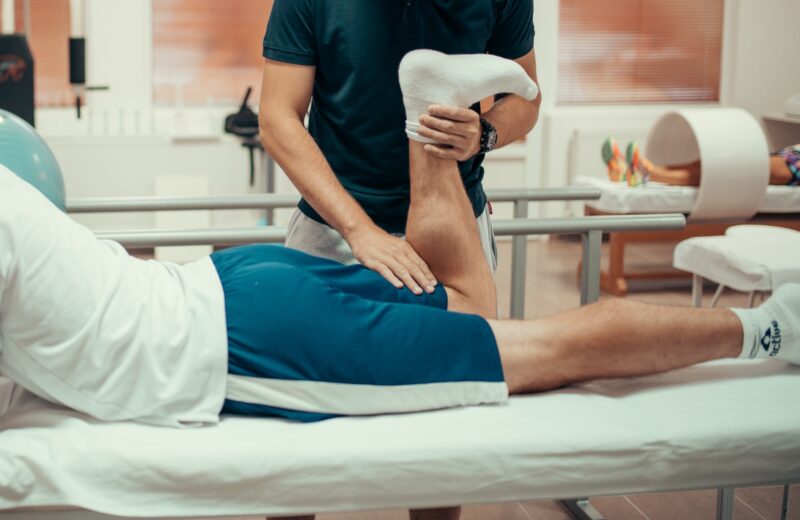
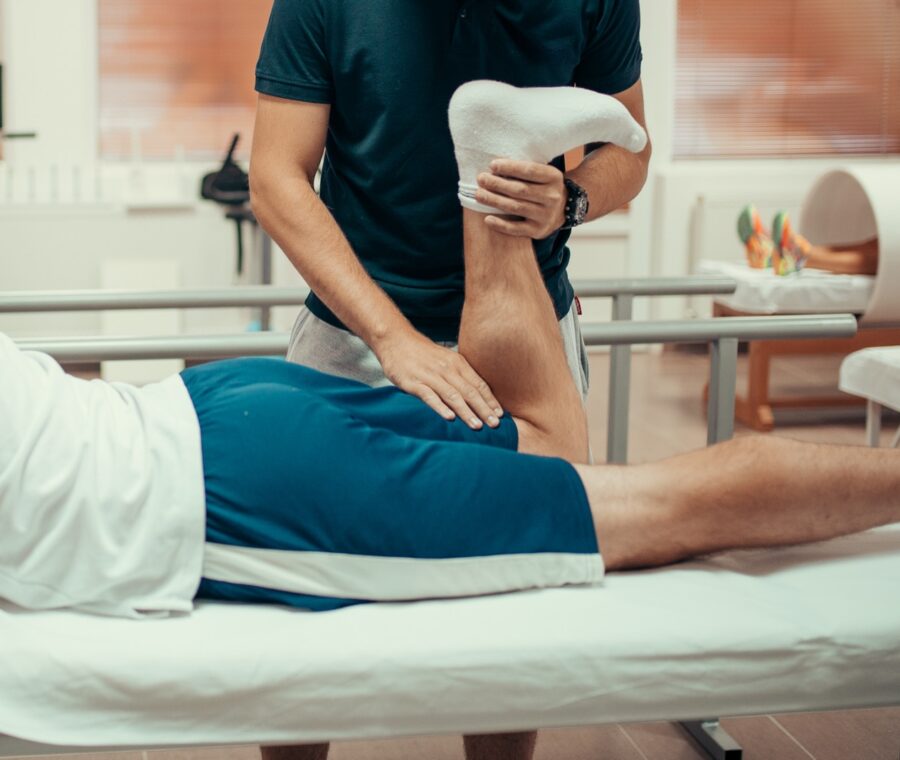
Mobility work restores the range of motion that’s been lost to adaptive shortening and joint restriction. Manual therapy, including thoracic spine mobilisation and cervical joint techniques, restores range that can’t be achieved through exercise alone. Targeted stretching of the shortened muscles, particularly the hip flexors, pectorals, and upper trapezius, must be specific and sustained enough to produce genuine tissue adaptation rather than temporary relief.
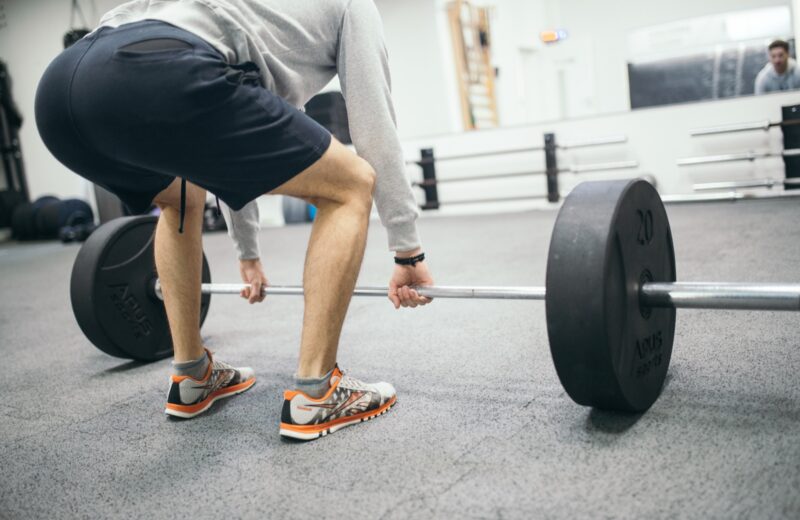
Strength work rebuilds the muscles that have weakened under the postural deviation. The specific muscles targeted depend on the individual’s assessment findings, but commonly include the deep cervical flexors, lower trapezius, serratus anterior, gluteal muscles, and spinal extensors. The exercises are progressive: starting at a load and position the patient can perform with correct technique, and increasing over time as the muscles adapt.
Movement retraining addresses the habitual patterns that maintain the postural deviation even when the underlying mobility and strength have improved. This is the layer that most programmes miss. A person can have good thoracic extension mobility and adequate lower trapezius strength but still habitually round their shoulders and drop their chin when they return to their desk. Movement retraining makes the corrected posture the default, not a conscious effort.
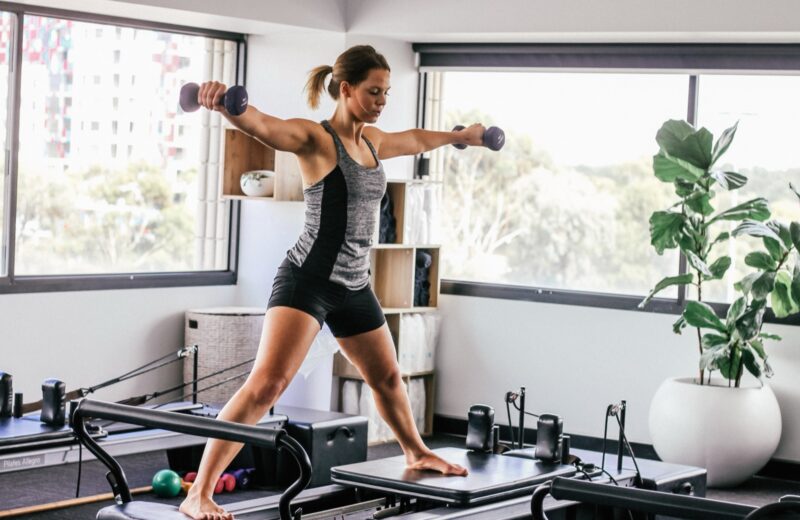
At Sevens, clinical pilates forms an important part of movement retraining for postural correction. Pilates exercises teach the integration of core stability, scapular control, and thoracic extension into functional movement patterns in a way that translates directly to how the patient moves in their daily life.
Realistic Timelines for Postural Correction
The timeline for postural correction depends on how long the postural deviation has been present, how severe it is, and how consistently the programme is followed.
For someone with mild to moderate postural problems of relatively recent onset, a structured programme of six to eight weeks typically produces meaningful and visible improvement. Muscle balance improves, joint mobility is restored, and the patient begins to find neutral posture accessible and comfortable rather than effortful.
For more established postural deviations, particularly in people over fifty with significant thoracic stiffness, a more realistic timeline is ten to sixteen weeks for meaningful correction. The structural adaptations are more entrenched, and restoration of thoracic mobility is the limiting factor.
It’s also important to be honest about the distinction between improvement and perfection. Most postural problems can be significantly improved with structured physiotherapy. Complete reversal to an ideal neutral posture isn’t always achievable, particularly where there’s significant structural kyphosis. However, functional improvement, pain reduction, and a postural baseline that’s meaningfully better than before treatment are achievable for the vast majority of patients.
Maintenance after the programme is important. The body continues to adapt to its environment, and someone who returns to eight hours of desk work daily without any ongoing postural maintenance will gradually drift back toward their previous pattern — the same principle behind good workstation ergonomics. A simple maintenance routine of two to three specific exercises, combined with the ergonomic adjustments advised during the programme, is usually sufficient to sustain the gains long-term.