Reaching for a shelf, fastening a seatbelt, or rolling onto your shoulder at night: these are the moments rotator cuff pain announces itself. It is one of the most common shoulder problems in gym-goers, desk workers and anyone over forty, and it is very often treatable without surgery.
The rotator cuff is four small muscles that centre the ball of the shoulder. Irritation, called impingement or rotator cuff-related pain, or a tear, causes pain when lifting overhead and at night. Most cases, including many partial tears, improve with a progressive physiotherapy loading programme. Surgery is for large acute tears or cases that fail a proper trial. It differs from frozen shoulder, which stiffens the joint.
What Is the Rotator Cuff, and What Goes Wrong
The rotator cuff wraps the shoulder joint and keeps the ball centred as the arm moves. When the tendons are overloaded, irritated or degenerate with age, lifting the arm becomes painful, especially between roughly sixty and one hundred and twenty degrees, the ‘painful arc’.
This is a different problem from a stiff joint; compare it with other causes of shoulder pain and with frozen shoulder, where movement is lost in every direction. Rotator cuff pain usually keeps its movement but hurts to use it, and night pain lying on the shoulder is typical.
A tear on your scan is not automatically a reason for surgery. Many partial tears, and most cases of impingement, improve with a well-built loading programme.
Strain, Impingement or Tear?
Many tears found on scans are found equally in people with no shoulder pain, especially over age fifty, so a scan does not always explain your symptoms. Assessment looks at pain pattern, strength testing and movement control. A sudden injury with immediate weakness, such as being unable to lift the arm after a fall, needs urgent medical assessment as it may be an acute full-thickness tear.
Gradual pain with a good range and reasonable strength is usually irritation or a small partial tear, and that group responds very well to exercise.
What Physiotherapy Does
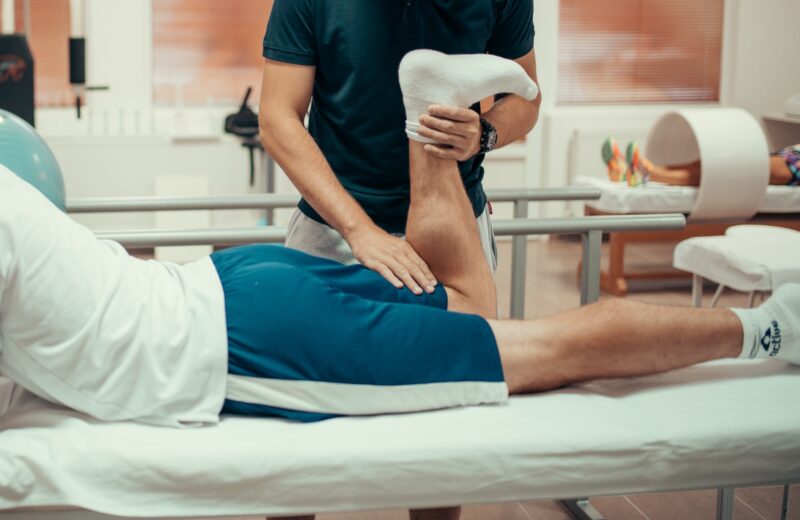
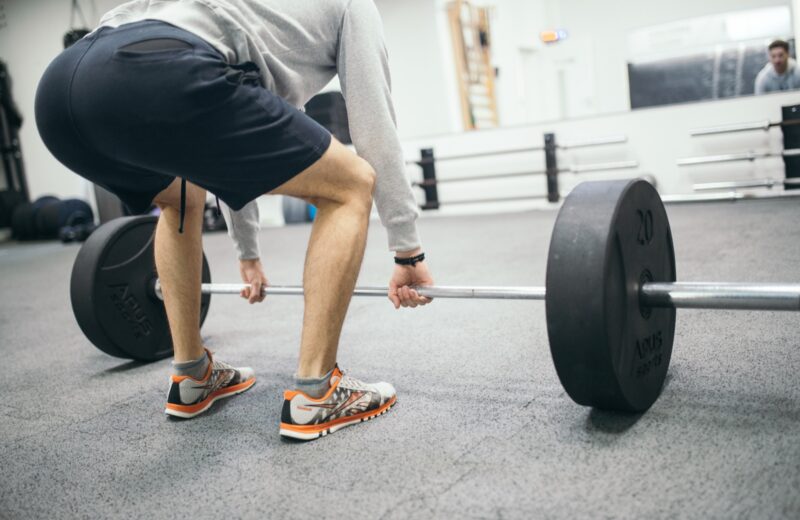
Treatment reduces irritation first with load modification, manual therapy and, where useful, dry needling; see our guide to how dry needling fits into shoulder care. Then progressive strengthening of the rotator cuff and shoulder blade muscles builds tendon capacity, moving from isometric holds to loaded movement through range.
Posture and upper-back mobility matter too, because a stiff, rounded upper back reduces shoulder clearance; postural correction is often built into the plan.
When Surgery Is Considered
Surgery is considered for large acute tears in active people, tears with marked weakness that do not respond to rehabilitation, and cases that fail a proper three to six month trial. Rehabilitation afterwards, as with any post-surgery rehab, decides how good the final result is.
Book a Shoulder Assessment at Sevens Physiotherapy
At Sevens Physiotherapy in HSR Layout, Bangalore, we work out whether you have irritation, a tear or a stiff joint, and build a plan accordingly. Book at hello@sevensphysiotherapy.com or call +91 99009 01958.