S
Sevens+ Physiotherapy
Physiotherapy · Movement · Rehab
Home/Conditions/Neck Pain
Spine · Treatment

Neck Pain

From the desk-worker's stiff neck to disc-related cervical pain — the neck is one of our most-treated regions. We combine hands-on manual therapy with postural retraining for results that hold.

Typical programme
4–6 weeks
Session length
45 min
Recovery rate
92%
Understanding the condition

Neck pain is rarely about the neck alone.

Most neck pain we see in our HSR Layout clinic is mechanical — the slow result of hours at a desk, a forward head posture, and deep neck muscles that have quietly switched off. The pain is real, but the cause is upstream: the mid-back, the shoulder blades, and the way you hold your head all day.

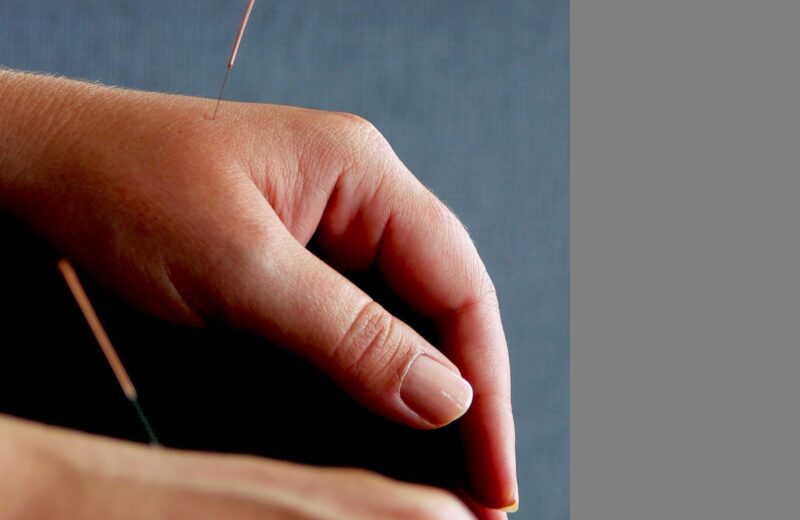
Our physiotherapists treat the full picture. We settle the irritated tissue with hands-on manual therapy and dry needling, then rebuild the deep stabilisers so the relief actually holds. For disc-related or nerve pain, we screen carefully and stay in your safe range while the structure calms down.

Neck Pain
Image — manual cervical mobilisation in session
Why it happens

The root causes we look for.

01
Desk posture
Sustained forward-head loading from screens and phones overloads the cervical extensors.
02
Weak deep flexors
The stabilising muscles that hold the head switch off, leaving the joints to take the strain.
03
Stress & breathing
Tension parks in the upper traps and scalenes, feeding headaches and stiffness.
04
Disc & nerve
Cervical disc bulges or nerve-root irritation can refer pain and tingling down the arm.
Symptoms we treat

Recognise any of these?

Stiffness turning your head
Headaches at the base of the skull
Tingling down one arm
Pain that worsens at the desk
Disturbed sleep on the side
Grinding or clicking on movement
Our Approach

How we'll actually treat it.

WEEK 1
1
Assess & relieve
Movement screen, posture analysis, and same-session relief through manual therapy.
WEEK 2–3
2
Release & mobilise
Manual therapy, dry needling for trigger points, gentle mobility drills.
WEEK 3–5
3
Strengthen
Deep neck flexor activation, scapular control, postural endurance work.
WEEK 5–6
4
Integrate
Workplace ergonomics, self-management plan, discharge with a maintenance routine.
Services Involved

The disciplines we'll combine.

Every programme braids two or three of our core services. Here's the typical pairing for this condition.

The results

Treatment that actually holds.

Most patients feel a meaningful drop in pain within the first two or three sessions — but our real goal is the neck that stays well after discharge, not just the one that feels better for a week.

92%
Recovery & satisfaction rate
2–3
Sessions to first real relief
4–6 weeks
Typical programme
45 min
Per session
Common questions

Your questions, answered.

Still unsure? Our clinicians answer the questions patients ask most. You can always call the HSR Layout clinic for a straight answer first.

Ask us directly

Most mechanical neck pain settles within a 4–6 week programme of weekly sessions. You will usually feel a clear difference inside the first two or three. Disc or nerve-related cases can take longer, and we will give you an honest timeline at your assessment.
Not usually. The majority of neck pain is muscular and postural, not structural. We screen for disc and nerve involvement at your first visit — if we suspect it, we adjust the plan and, where needed, coordinate with imaging or a specialist.
You may feel a brief twitch or a dull ache as the trigger point releases, but most patients describe it as very tolerable. Many feel looser within minutes. It is always optional and never the whole treatment.
Often, yes. Cervicogenic headaches — the ones that start at the base of the skull — frequently ease once we release the upper-neck joints and retrain posture. We will assess whether your headaches fit this pattern.
That is exactly what our programme is built to prevent. Alongside treatment we correct your workstation setup and give you a short daily routine, so the desk stops being the thing that re-triggers it.
Side-sleeping with a pillow that fills the gap between your ear and shoulder, or back-sleeping with a low, supportive pillow, both keep the neck closer to neutral through the night. Stomach sleeping is usually the one we ask people to break, since it forces the neck into rotation for hours. We'll check your setup at your assessment and suggest specific changes if it's feeding your pain.
Yes — tension has a habit of parking itself in the upper traps and scalenes, the muscles either side of your neck, and that constant low-grade bracing feeds stiffness and headaches. We can't fix your stress levels, but we can release the muscles carrying it and teach you breathing and posture habits that stop it landing in your neck quite so hard.
Most neck pain is safe to bring straight to us. The exceptions are pain following a significant trauma, progressive weakness or numbness down both arms, or pain alongside fever or unexplained weight loss — those warrant a medical opinion first. If anything in your case looks like it falls into that category, we'll tell you plainly and point you in the right direction.
Ready to start?

Let's get this handled.

Book a 60-minute assessment with one of our clinicians. You'll leave with a clear diagnosis, a written programme, and a realistic timeline.

Book assessment
What's included:
  • → Full movement assessment
  • → Diagnosis & root-cause analysis
  • → Written programme with milestones
  • → Cost & timeline upfront
  • → Same-day hands-on treatment if appropriate