S
Sevens+ Physiotherapy
Physiotherapy · Movement · Rehab
Home/Conditions/Spinal Injuries
Spine · Treatment

Spinal Injuries

From acute disc protrusions and nerve-root impingement to long-term spinal cord rehabilitation. These cases are multi-disciplinary by default — we'll coordinate with your medical team.

Typical programme
12–36 weeks
Session length
60 min
Recovery rate
85%
Understanding the condition

Complex spines need a coordinated team.

Spinal conditions span a huge range — from acute disc protrusions and nerve-root impingement to long-term spinal cord rehabilitation. These cases are multidisciplinary by default, and the worst thing that can happen is fragmented care where no one holds the whole picture.

We take that coordinating role. We assess thoroughly, treat within safe and appropriate limits, and work alongside your medical team — surgeons, neurologists, pain specialists — so your rehabilitation is one joined-up plan rather than a series of disconnected appointments. Progress on a complex spine is steady and earned, and we set realistic expectations from day one.

Spinal Injuries
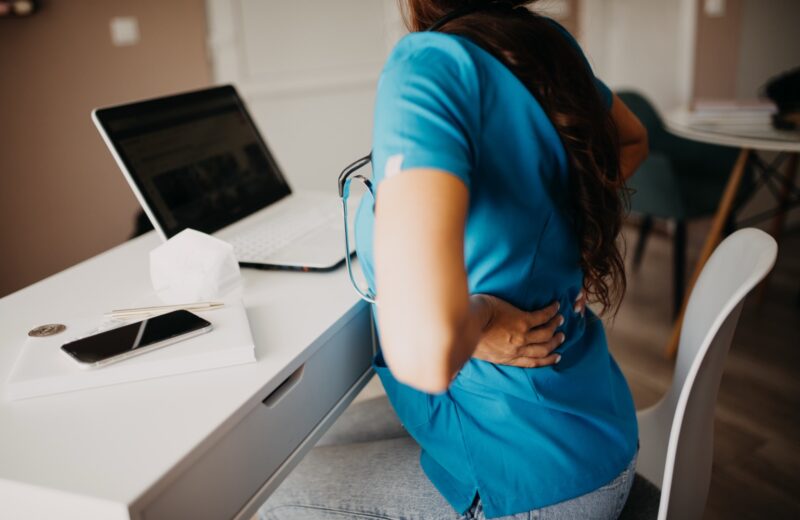
Image — careful spinal assessment and rehabilitation
Why it happens

The root causes we look for.

01
Disc protrusion
A bulging disc can press on a nerve root, referring pain and weakness into a limb.
02
Nerve-root irritation
Compression or inflammation around a nerve produces pain, numbness or weakness.
03
Trauma
Injury to the spine can affect movement, sensation and function to varying degrees.
04
Degenerative change
Long-term wear narrows spaces in the spine and can irritate neural structures.
Symptoms we treat

Recognise any of these?

Severe back pain with leg symptoms
Loss of sensation in limbs
Weakness in legs or feet
Loss of bladder or bowel control (urgent)
Severe pain at rest
Progressive neurological symptoms
Our Approach

How we'll actually treat it.

WEEK 1–2
1
Screen & coordinate
Thorough neurological assessment. Coordinate with your neurosurgeon or orthopaedic team.
WEEK 2–8
2
Calm & mobilise
Symptom-modifying interventions, gentle motion within safe limits.
WEEK 8–20
3
Strength & control
Progressive loading, deep core training, neuromuscular re-education.
WEEK 20+
4
Return to life
Function-specific work. Long-term maintenance programme designed for your goals.
The results

Treatment that actually holds.

Complex spinal rehabilitation rewards patience and coordination — with a joined-up plan and realistic milestones, the majority of our patients make steady, meaningful gains in function and quality of life.

85%
Recovery & satisfaction rate
Team
Coordinated with your specialists
12–36 weeks
Typical programme
60 min
Per session
Common questions

Your questions, answered.

Still unsure? Our clinicians answer the questions patients ask most. You can always call the HSR Layout clinic for a straight answer first.

Ask us directly


Often not. Many disc protrusions — even those causing leg pain — settle with appropriate rehabilitation over time. Surgery is reserved for specific situations, and we will flag clearly if your case shows signs that warrant a surgical opinion.
Yes — complex spinal cases need coordination, and we actively work alongside your medical team so everyone is following one plan. That joined-up approach is central to how we manage these conditions.
It varies widely with the condition — from a few months for a disc issue to long-term programmes for spinal cord rehabilitation. We set realistic, honest expectations and milestones at your first assessment.
With the right guidance, appropriate movement is usually beneficial and an important part of recovery. We work carefully within safe limits for your specific condition rather than applying generic advice.
Symptoms like rapidly worsening weakness, loss of bladder or bowel control, or numbness around the saddle area need urgent medical attention. We screen for these red flags and will direct you appropriately if they appear.
Not necessarily. Disc bulges are extremely common, including in people with no pain at all, and the number or size on a scan doesn't reliably predict how much they're contributing to your symptoms. We correlate the imaging with your actual clinical picture before drawing any conclusions.
Yes, significantly — physiotherapy is central to maximising function and independence after a spinal cord injury, working alongside your medical and rehabilitation team on strength, mobility and adaptive strategies appropriate to your level of injury.
It varies widely by condition and stage — some complex cases need frequent input early on, tapering to periodic review later. We set a realistic schedule at assessment and adjust it as your situation evolves.
Ready to start?

Let's get this handled.

Book a 60-minute assessment with one of our clinicians. You'll leave with a clear diagnosis, a written programme, and a realistic timeline.

Book assessment
What's included:
  • → Full movement assessment
  • → Diagnosis & root-cause analysis
  • → Written programme with milestones
  • → Cost & timeline upfront
  • → Same-day hands-on treatment if appropriate