S
Sevens Physiotherapy
Physiotherapy · Movement · Rehab
Home/Conditions/Pre & Post Surgery Rehab
Rehab · Treatment

Pre & Post Surgery Rehab

Pre-habilitation before scheduled surgery (the stronger you go in, the faster you come back) plus structured post-op recovery for any joint or spine procedure.

Typical programme
12–24 weeks
Session length
60 min
Recovery rate
95%
Understanding the condition

The surgery went well — now what actually needs to happen for you to fully recover?

The single biggest predictor of how well you recover from surgery is the state you go into it in. Prehabilitation — building strength and range before a scheduled operation — consistently speeds up recovery and improves outcomes. Then structured post-op rehab does the rest.

We manage the full arc for any joint or spine procedure: prehab before the date, careful early protection afterwards, and a progressive return to strength and function. We work hand-in-glove with your surgeon’s protocol so every stage is safe, specific and on time.

Pre & Post Surgery Rehab
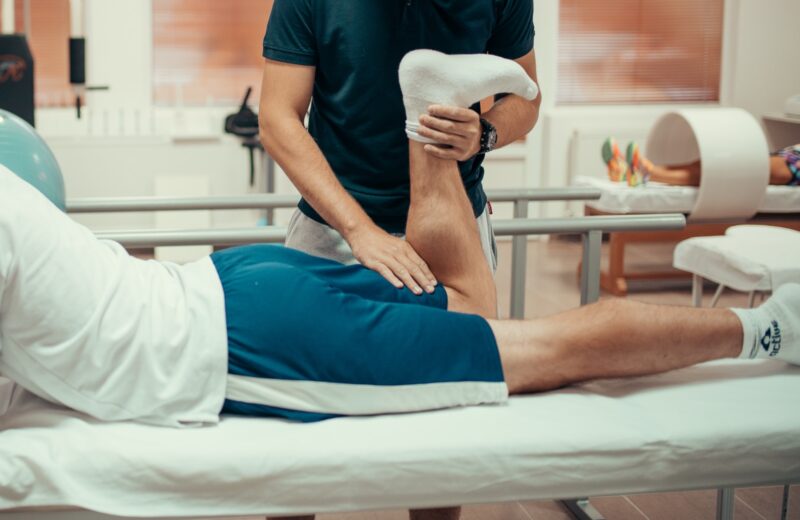
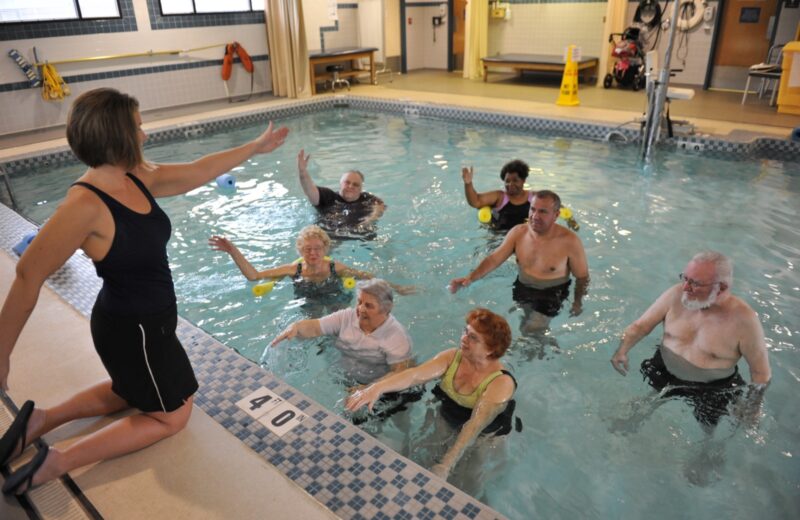
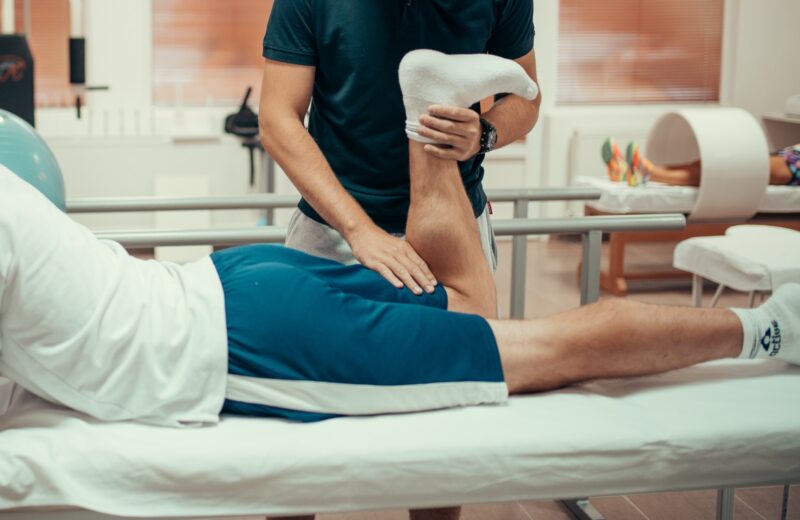
Image — guided post-operative rehabilitation
Why it happens

The root causes we look for.

01
ACL reconstruction recovery
Post-ACL rehab is a 9–12 month process with clear strength and neuromuscular milestones. Return-to-sport is gated on passing objective tests, not time elapsed.
02
Total knee replacement (TKR)
The replaced joint needs progressive range of movement work from day one post-op, followed by quadriceps strength rebuilding and functional mobility training — typically 3–6 months to full recovery.
03
Total hip replacement (THR)
Hip precautions are respected in early rehab; strength and gait normalisation are the primary goals through the programme.
04
Rotator cuff repair
The repaired tendon is protected in a sling for 4–6 weeks; passive range begins immediately, active motion is introduced on the surgeon's timeline, and strengthening follows in a carefully gated sequence.
05
Spinal decompression or fusion
Post-spinal surgery rehab focuses initially on neural mobility and gentle core activation, progressing to full spinal loading over several months — always within the surgeon's restrictions.
Symptoms we treat

Recognise any of these?

Recent or scheduled surgery
Weakness around the operated joint
Stiffness post-immobilisation
Compensatory patterns developing
Reduced confidence in the limb
Pain on early loading
Our Approach

How we'll actually treat it.

PRE-OP
1
Pre-habilitation
Build strength and range before surgery — patients with strong pre-op rehab recover faster.
WEEK 1–2
2
Early post-op
Pain management, swelling control, gentle protected motion within surgeon protocols.
WEEK 2–10
3
Progressive load
Range restoration, strength building, neuromuscular re-education.
WEEK 10+
4
Return to life
Sport-specific, work-specific, or activity-specific return-to-function programming.
The results

Treatment that actually holds.

95% of our post-surgical patients discharge at their stated functional goal. The critical factor is completing all three phases — early mobility, strength, and functional loading — rather than stopping when the pain resolves.

95%
Recovery & satisfaction rate
95%
Meet recovery milestones on time
12–24 weeks
Typical programme
60 min
Per session
Common questions

Your questions, answered.

Still unsure? Our clinicians answer the questions patients ask most. You can always call the HSR Layout clinic for a straight answer first.

Ask us directly


For most orthopaedic procedures, physiotherapy begins within one to three days of surgery — often before discharge from hospital. Early movement prevents adhesion formation, maintains circulation, and starts the muscle activation work that atrophies quickly under anaesthesia.
This is a rehabilitation gap, not a surgical failure. Structural success (the repair is intact) and functional success (you can walk, climb, and return to sport) require different things. The muscle strength, movement patterns, and proprioception needed to walk normally take active, progressive rehabilitation to rebuild — they do not return spontaneously.
The evidence is robust: patients who complete prehabilitation return to function faster, with fewer complications, and shorter post-operative rehabilitation needs. Even four to six weeks of focused pre-surgical exercise makes a measurable difference.
It depends on the procedure. Minor arthroscopic procedures may be four to six weeks. Rotator cuff repairs are four to six months. ACL reconstruction to full sport is nine to twelve months. Total knee and hip replacements are typically three to six months to full function. We give you a written timeline with milestones at your first session.
Ready to start?

Let's get this handled.

Book a 60-minute assessment with one of our clinicians. You'll leave with a clear diagnosis, a written programme, and a realistic timeline.

Book assessment
What's included:
  • → Full movement assessment
  • → Diagnosis & root-cause analysis
  • → Written programme with milestones
  • → Cost & timeline upfront
  • → Same-day hands-on treatment if appropriate