Back Pain
Lower back pain is the most common reason patients walk through our door. Whether it's mechanical, disc-related, or sciatic — we work movement-first, with McKenzie and DNS protocols at the core.
Back pain in Bengaluru's desk culture — why it persists and how to end it.
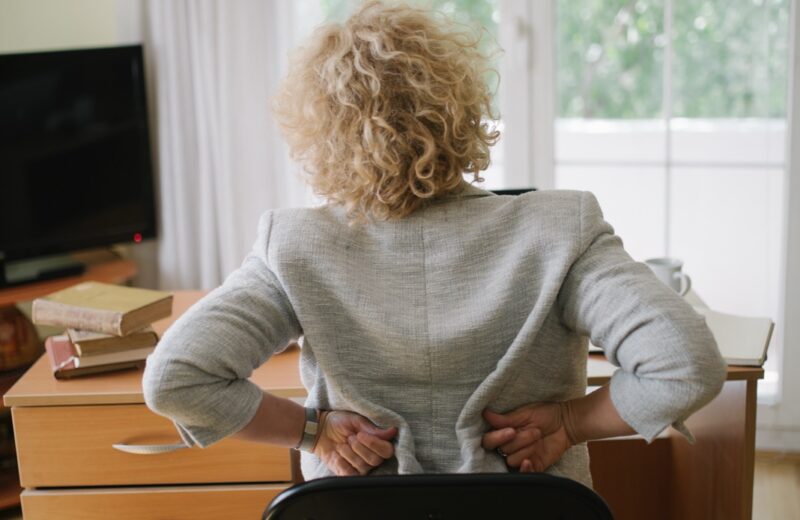
Lower back pain is the single most common reason patients come to us. The good news rarely makes the headlines: the vast majority of back pain is not dangerous and recovers well with the right movement. Scans often show changes that are normal for your age and have nothing to do with your pain.
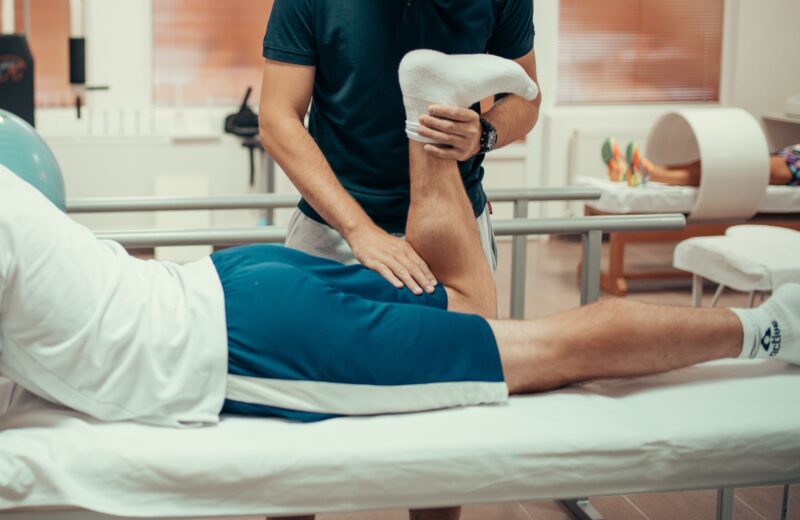
We work movement-first, using McKenzie and DNS protocols to find the directions that calm your back down, then progressively load it so it becomes robust. We also screen for the small number of cases — true sciatica, red flags — that need a different path, so you can stop worrying and start moving.
The root causes we look for.
Recognise any of these?
How we'll actually treat it.
The disciplines we'll combine.
Every programme braids two or three of our core services. Here's the typical pairing for this condition.
Treatment that actually holds.
Back pain is among the most treatable conditions in physiotherapy when the root cause is accurately identified. The majority of patients are significantly better within the first three to four sessions, and most achieve full resolution within eight to twelve weeks.
Your questions, answered.
Still unsure? Our clinicians answer the questions patients ask most. You can always call the HSR Layout clinic for a straight answer first.
Ask us directly







Let's get this handled.
Book a 60-minute assessment with one of our clinicians. You'll leave with a clear diagnosis, a written programme, and a realistic timeline.
Book assessment- → Full movement assessment
- → Diagnosis & root-cause analysis
- → Written programme with milestones
- → Cost & timeline upfront
- → Same-day hands-on treatment if appropriate